Solar flagpole lighting coverage means how evenly and clearly a light illuminates a flag after sunset. It matters because brightness alone does not guarantee visibility if the beam misses the flag, creates shadows, or fades before morning.
This article explains how beam spread, mounting height, flag size, battery runtime, and weather conditions affect nighttime display. It also shows how to improve coverage without wasting light or choosing the wrong setup.
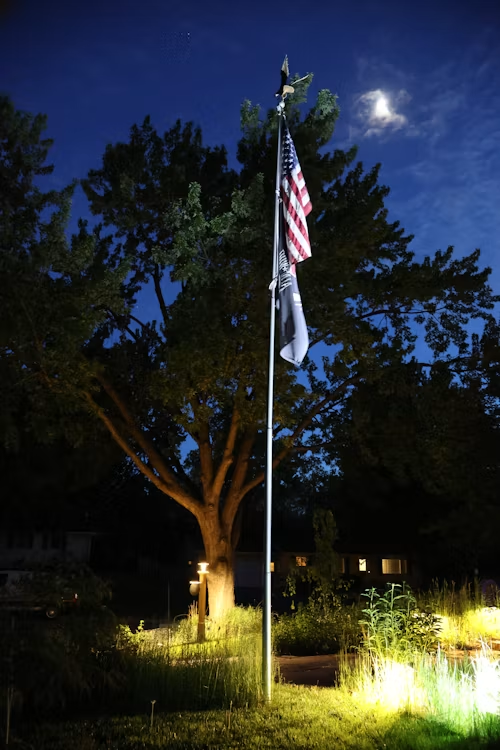
Why Lighting Coverage Matters For Flag Display?
A flag is rarely still at night. Wind, pole height, fabric size, and light direction all affect how visible it appears from the ground. A solar light can have strong LEDs but still perform poorly if the illumination pattern is too narrow or aimed mostly at the pole instead of the flag.
Good coverage should brighten the full movement area of the flag, not just one fixed position. This is especially important for residential flagpoles where the light usually sits near the top and shines upward or outward from a limited angle.
Many homeowners figuring out how to choose solar flagpole light focus on brightness ratings while overlooking beam spread, which often has a larger impact on real nighttime visibility.
Coverage becomes easier to understand once the light pattern is matched to the flag’s actual size and movement.
How Beam Spread Changes Flag Visibility?
Beam spread controls how wide the light reaches. A narrow beam can look bright in one spot but may leave the flag partially dark when it moves. A wider beam gives softer, broader illumination, which is usually better for flags that shift in the wind.
The main coverage factors include:
- Beam angle and LED placement
- Pole height and flag position
- Flag size and fabric movement
- Battery strength during late-night hours
- Weather conditions and panel charging quality
A balanced solar flagpole light should provide enough brightness while spreading that light across the likely movement area of the flag.
Narrow Beam Vs Wide Beam Coverage
A narrow beam is useful when the flag is small, the pole is shorter, or the light needs to project directly upward. However, it can create dark edges on larger flags. A wide beam is usually better for standard residential flags because it covers more movement.
Battery capacity matters, but several key features of solar flagpole light systems also influence how evenly light reaches the entire flag.
The best coverage often comes from multiple LEDs arranged around the pole. This helps reduce harsh shadows and improves visibility from different viewing angles.
Choosing Coverage Based On Pole Height
Pole height changes how far light must travel before it reaches the flag. A 15-foot residential pole usually needs less output than a 25-foot pole with a larger flag. As height increases, weaker lights often lose intensity before they fully illuminate the fabric.
Use this simple comparison to understand coverage needs.
| Flagpole Setup | Coverage Need | Common Lighting Concern |
| Short residential pole | Moderate spread | Overly narrow beam |
| Standard 20-foot pole | Balanced brightness and spread | Uneven flag edges |
| Tall residential pole | Stronger output | Light fading before reaching fabric |
| Large flag setup | Wide and consistent coverage | Shadows during wind movement |
A light that matches the pole height will usually perform better than one selected only by lumen count.
The next concern is how long that coverage remains consistent after sunset.
Runtime And All-Night Visibility
A flag may look bright at dusk but become dim later if the battery cannot support the LEDs through the night. This is where runtime becomes part of coverage quality. Weak battery performance reduces both brightness and spread, especially before sunrise.
Larger flags often benefit from characteristics associated with the best solar flagpole light for all-night lighting because consistent output prevents uneven illumination across the fabric.
For reliable nighttime display, look for strong solar charging, adequate battery capacity, and efficient LED design rather than brightness alone.
Common Coverage Mistakes Homeowners Make
Poor visibility usually comes from mismatched setup choices rather than the light being completely defective. Many users expect one compact solar light to cover a large flag in every weather condition, but real performance depends on placement, exposure, and maintenance.
Common mistakes include:
- Choosing brightness without checking beam spread
- Using a small light for a large flag
- Installing the light where the panel gets partial shade
- Ignoring battery performance in winter
- Letting dirt reduce solar panel charging
Dirt buildup on solar panels is one reason many owners overlook simple safety, maintenance, and best practices that preserve lighting performance.
Small setup corrections can often improve visibility more than replacing the entire light.
Solar Flagpole Lights Compared With Other Lighting Options
Solar lights are convenient because they avoid wiring and reduce ongoing electricity use. However, they depend heavily on sunlight exposure and battery condition. Hardwired lights can offer stronger output, but they require installation work and may cost more upfront.
When comparing coverage quality, solar flagpole light vs alternatives becomes important because wiring limitations and mounting options vary considerably.
Solar options are best for homeowners who want simple installation, low maintenance, and automatic operation. Wired lighting may suit larger properties, commercial flag displays, or areas with limited sunlight.
The right choice depends on whether convenience or maximum controlled brightness matters more.
How To Improve Solar Flagpole Light Coverage?
Better coverage often comes from small adjustments. Make sure the solar panel receives direct sunlight for most of the day. Clean the panel regularly, check that the light is centered correctly, and confirm that the flag is not too large for the fixture.
For larger flags, consider higher-capacity lights or multi-directional LED designs. If the flag still appears uneven, the issue may be beam spread rather than battery power.
A well-positioned light should make the flag visible without creating glare, harsh shadows, or wasted light.
FAQs
Does A Brighter Solar Flagpole Light Always Improve Visibility?
No. Brightness helps, but beam spread, pole height, battery runtime, and flag size determine whether the entire flag is visible at night.
What Beam Spread Is Best For A Residential Flag?
A wider beam is usually better for residential flags because it covers fabric movement and reduces dark edges when the flag shifts in the wind.
Why Does My Solar Flagpole Light Get Dim Before Morning?
The battery may not be storing enough energy. Short winter days, dirty panels, shade, and battery aging can all reduce late-night brightness.
Can One Solar Light Cover A Large Flag?
Yes, but only if it has enough output, wide coverage, and strong battery capacity. Large flags often need better LED distribution than small flags.
Where Should A Solar Flagpole Light Be Positioned?
It should be centered and aimed toward the flag’s movement area. The solar panel should also receive direct sunlight for reliable charging.
Final Verdict
Solar flagpole lighting coverage depends on more than raw brightness. Beam spread, pole height, flag size, runtime, and placement all shape how clearly the flag appears at night.
For the best results, choose a light that matches the full display area rather than one that only promises high lumens.