Natural grey hair shampoo is designed to support hair that has naturally lost pigment and now appears silver, white, grey, or ash-toned. This matters because natural grey hair often behaves differently from blonde, bleached, or color-treated hair. It can look dull faster, feel drier, show yellow tones more easily, and need a more careful balance of cleansing, toning, and moisture.
This article explains why natural grey hair should not always be treated like blonde or colored hair. You will learn how pigment loss changes shampoo needs, how brassiness behaves on grey strands, what makes silver hair different from dyed silver hair, and how to choose the right shampoo type based on texture, damage, and washing habits.
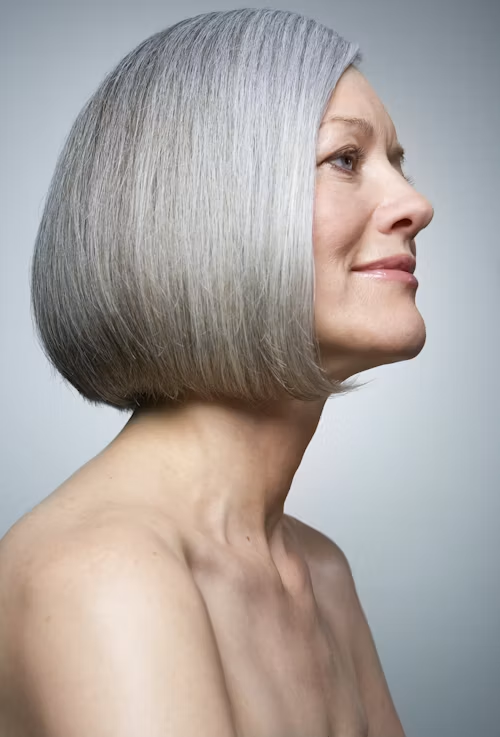
Why Natural Grey Hair Behaves Differently From Colored Hair?
Natural grey hair changes because melanin production decreases. As pigment fades, the hair reflects light differently and may appear silver, white, pewter, or ash-toned. This change can make the hair look elegant, but it also makes dullness and residue easier to notice.
Colored hair is different because the strand has been chemically altered or coated with artificial pigment. Shampoo for colored hair usually focuses on reducing color fade, protecting dye molecules, and keeping the shade vibrant. Natural grey hair does not need dye protection in the same way. It needs brightness, softness, buildup control, and gentle tone management.
Grey hair may also feel more wiry because aging hair can become more porous, dry, or uneven in texture. That is why a shampoo that works well for dyed brunette or blonde hair may not always give natural grey hair the same smooth, bright finish.
Natural Grey Hair Vs Blonde Hair: Shampoo Needs Compared
Blonde and grey hair can both show brassiness, but the problem does not always look the same. Blonde hair often turns yellow, orange, or gold because of underlying warm pigment or color fading. Natural grey hair usually looks yellow or beige because of buildup, minerals, pollution, smoke, heat, or product residue.
Blonde, silver-dyed, and naturally grey hair can react differently to toning formulas, so best shampoo for natural grey hair vs alternatives helps clarify when a standard blonde shampoo is not the best match. A shampoo made for blonde hair may be too strong, too drying, or too pigment-heavy for naturally white strands.
| Hair Type | Main Shampoo Need | Common Risk |
| Natural grey hair | Brightness, softness, gentle toning | Yellowing, dryness, dullness |
| Blonde hair | Tone correction and color support | Brassiness, fading, dryness |
| Bleached hair | Repair and moisture | Breakage, porosity, harsh texture |
| Silver-dyed hair | Color preservation and repair | Fading, uneven tone, damage |
Natural grey hair usually benefits from a softer approach. It may need purple shampoo, but not always with the intensity used for bleached blonde hair.
Natural Grey Hair Vs Silver-Dyed Hair
Silver-dyed hair and natural grey hair may look similar at first, but their care needs can be very different. Silver-dyed hair has usually been lightened first, which means the strand may already be fragile, porous, or chemically stressed. That type of hair often needs bond support, color-safe cleansing, and deep conditioning.
Natural grey hair has not necessarily gone through chemical lightening. Its main concerns are usually dryness, yellow tones, scalp comfort, shine, and texture. It may not need color-preserving shampoo, but it does need products that keep the strand clean without making it feel stripped.
This is why silver-dyed hair routines often focus on repair and color retention, while natural grey hair routines focus more on brightness, moisture, and gentle maintenance.
Choosing Shampoo Based On Grey Hair Type
Not all natural grey hair needs the same shampoo. Texture, density, scalp oil, dryness, and styling habits should all affect the choice.
Fine Grey Hair That Gets Flat Quickly
Fine silver strands can lose volume quickly when formulas are too rich, so best shampoo for fine grey hair usually needs lightweight cleansing with enough softness to avoid a brittle finish. Heavy oils, thick creams, and overly rich shampoos may make fine grey hair look limp.
Fine grey hair often does better with:
- Lightweight moisturizing shampoo
- Gentle volumizing shampoo
- Occasional purple shampoo for tone
- Conditioner applied mainly to the ends
- Minimal heavy leave-in products near the roots
The goal is to keep brightness and softness without sacrificing movement.
Damaged Grey Hair That Needs Gentle Strength Support
Heat styling, rough brushing, and dryness can weaken mature strands, which is why best shampoo for natural grey hair for damaged hair should focus on gentle cleansing and better manageability. Damaged grey hair may look frizzy, dull, split, or uneven even when freshly washed.
For damaged grey hair, shampoo should not feel harsh. It should cleanse without increasing dryness, and it should work well with conditioner, masks, leave-in treatments, or heat protectants.
Coarse Grey Hair That Needs More Conditioning
Coarse grey hair often needs more moisture than fine grey hair. It may feel stiff, wiry, or difficult to smooth. A moisturizing shampoo can help, but conditioner and leave-in care are usually just as important.
People with coarse grey hair should avoid using strong clarifying or purple shampoo too often, because these can make texture feel rougher if not balanced with moisture.
Shampoo Types That Work Best For Natural Grey Hair
Purple, clarifying, moisturizing, and gentle formulas all solve different problems, so types of shampoo for natural grey hair should be matched to tone, scalp condition, and texture. Choosing one shampoo for every concern may not work well.
| Shampoo Type | Best For | Use Carefully If |
| Purple shampoo | Yellow or warm tones | Hair is already cool, dry, or porous |
| Gentle shampoo | Frequent washing | Heavy buildup is present |
| Moisturizing shampoo | Dry or coarse grey hair | Hair is very fine or oily |
| Clarifying shampoo | Product buildup or hard water residue | Hair is dry, brittle, or freshly toned |
| Strengthening shampoo | Weak or damaged strands | Hair needs more softness than protein |
A simple rotation often works better than using one formula every time. For example, someone may use a gentle shampoo most wash days, a purple shampoo once a week, and a clarifying shampoo once or twice a month.
What To Avoid When Washing Natural Grey Hair?
Natural grey hair can be sensitive to overcorrection. Using too much purple shampoo can leave hair looking smoky, violet, flat, or darker than intended. Strong clarifying shampoo can help remove residue, but overuse may leave grey hair dry and rough.
Over-toning can leave grey hair looking flat or violet, which makes safety, maintenance, and best practices especially relevant for anyone rotating purple and clarifying shampoos. Shampoo should improve the hair’s appearance, not create new tone or texture problems.
Avoid these common mistakes:
- Using purple shampoo every wash without checking the tone
- Treating natural grey hair exactly like bleached blonde hair
- Skipping conditioner after toning or clarifying
- Washing daily with harsh cleansers
- Using heavy products that cause dull buildup
- Applying heat without protection
- Ignoring hard water effects
A careful routine keeps grey hair looking cleaner, brighter, and softer without pushing it into dryness or over-toning.
When Blonde Or Color-Safe Shampoo May Still Work?
Some blonde or color-safe shampoos can work for natural grey hair, especially if they are gentle, moisturizing, and not overloaded with pigment. A mild purple shampoo for blondes may help reduce yellow tones in grey hair if used occasionally.
However, the formula matters more than the label. A harsh blonde shampoo can make natural grey hair feel dry, while a gentle color-safe shampoo may work well for frequent washing. The best choice depends on scalp condition, hair texture, tone concerns, and how the hair feels after washing.
Natural grey hair usually needs shampoo that does three things well: cleanses gently, protects softness, and keeps the silver tone clear.
FAQs
Can Natural Grey Hair Use Blonde Shampoo?
Natural grey hair can use some blonde shampoos, especially mild purple formulas. However, strong blonde toning shampoos may be too drying or too pigmented for white and silver strands.
Is Purple Shampoo Safe For Natural Grey Hair?
Purple shampoo is safe for natural grey hair when used correctly. It should be applied only as needed for yellow tones and balanced with moisturizing care to avoid dryness or violet staining.
Does Grey Hair Need Moisturizing Shampoo?
Grey hair often benefits from moisturizing shampoo because mature strands can feel dry, coarse, or wiry. Moisture helps improve softness, shine, and manageability without relying only on toning products.
Why Does Fine Grey Hair Get Oily So Fast?
Fine grey hair may look oily faster because the strands have less density and less volume at the roots. Lightweight shampoo helps cleanse the scalp without flattening the hair.
Should Damaged Grey Hair Avoid Clarifying Shampoo?
Damaged grey hair does not always need to avoid clarifying shampoo, but it should use it carefully. Clarifying too often can increase dryness, so it should be followed with conditioner or a moisture treatment.
Final Verdict
Natural grey hair needs different shampoo than colored or blonde hair because it has different tone, texture, and maintenance needs. It is not mainly about protecting artificial color; it is about keeping silver strands bright, soft, clean, and manageable.
The best routine depends on whether the hair is fine, coarse, dry, damaged, oily, or prone to yellowing. A balanced rotation of gentle, moisturizing, purple, and occasional clarifying shampoo usually works better than treating natural grey hair exactly like blonde or dyed silver hair.