Guitar body style refers to the overall construction and shape of an instrument, influencing comfort, tone, weight, sustain, and playing experience. Understanding these differences helps players choose an instrument that fits both their musical goals and physical preferences.
This guide explains major guitar body styles, compares their strengths, explores genre compatibility, and highlights practical buying considerations that can improve long-term satisfaction.
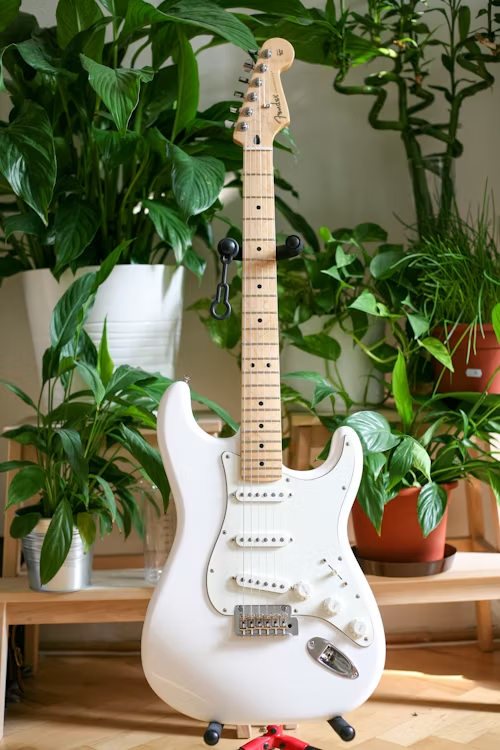
Why Guitar Body Design Matters?
Many guitar buyers focus heavily on pickups, colors, or brand names while overlooking body construction. Yet body design affects how a guitar feels during practice, rehearsals, performances, and recording sessions.
Comfort is especially important because an instrument that feels natural encourages longer practice sessions and better technique development.
Comfort During Long Practice Sessions
Weight distribution and body contours significantly influence comfort.
Factors that affect playability include:
- Overall instrument weight
- Upper fret access
- Body thickness
- Balance when standing
- Forearm comfort
A comfortable instrument often becomes easier to practice regularly, especially for newer players.
How Shape Influences Playing Experience?
Different body shapes provide unique ergonomics.
Some designs prioritize aggressive styling and high-fret access, while others focus on traditional comfort and familiar playing positions.
Understanding the various types of electric guitar under $500 helps players narrow their choices according to both physical comfort and tonal objectives.
While comfort matters greatly, construction style also influences how the guitar responds sonically.
Solid Body, Semi-Hollow, And Hollow Body Explained
Each construction type offers distinct advantages depending on playing style and performance needs. Comparing their weight, resonance, sustain, and feedback resistance helps reveal which body construction is better suited to different musical situations.
Body Style Comparison
Understanding the strengths of each design makes it easier to match an instrument to specific goals.
| Body Style | Weight | Sustain | Feedback Resistance | Common Genres |
| Solid Body | Moderate | Excellent | Excellent | Rock, metal, pop, blues |
| Semi-Hollow | Moderate | Good | Moderate | Indie, jazz, alternative |
| Hollow Body | Light | Moderate | Lower | Jazz, vintage styles |
| Chambered Solid Body | Light-Moderate | Good | Good | Versatile multi-genre use |
Each option provides a different balance of resonance, comfort, and stage performance.
Advantages Of Solid Body Designs
Solid-body guitars dominate the electric guitar market because of their versatility and reliability.
Benefits include:
- Strong sustain
- Excellent feedback control
- Durability
- Broad genre compatibility
These characteristics make solid-body instruments especially popular among players using distortion, high gain, or loud amplifiers.
Many musicians searching for the best electric guitar under $500 for rock & metal prioritize solid-body designs because they handle aggressive tones with greater consistency.
While solid bodies excel under high gain, semi-hollow instruments provide a different kind of versatility.
When Semi-Hollow Guitars Make Sense?
Semi-hollow guitars combine aspects of solid-body and hollow-body construction.
Advantages include:
- Increased resonance
- Rich clean tones
- Lighter feel
- Enhanced dynamic response
These qualities make semi-hollow guitars appealing to players who value expressive cleans and nuanced tonal character.
Matching Body Styles To Different Genres
Certain body styles naturally complement specific musical approaches. Matching construction to genre can help players find the right balance of sustain, feedback control, resonance, and tonal flexibility.
Heavy Music And High-Gain Applications
Modern rock and metal frequently benefit from solid-body designs due to their sustain and resistance to unwanted feedback.
High-output pickups paired with solid construction create the focused response many heavier genres require.
Players evaluating the best electric guitar under $500 for rock & metal often discover that body construction plays nearly as important a role as pickup selection.
Different genres, however, place different demands on an instrument.
Alternative, Indie, And Expressive Playing Styles
Indie and alternative musicians often prioritize versatility, dynamics, and unique tonal character.
Many artists seeking the best electric guitar under $500 for indie & alternative appreciate semi-hollow designs because they offer rich cleans while remaining flexible enough for overdriven sounds.
This broader tonal palette helps players move between atmospheric textures and more traditional guitar tones.
Because genre requirements vary, comparing body styles against alternative instruments can provide additional perspective.
Comparing Electric Guitars To Other Options
Electric guitars are not always the ideal solution for every musician. Comparing them with acoustic-electric instruments helps clarify how amplification, effects compatibility, natural resonance, and tonal flexibility differ between the available options.
Electric Vs Acoustic-Electric Instruments
Acoustic-electric guitars offer natural unplugged performance while providing amplified capabilities when necessary.
Electric guitars, however, generally deliver:
- Greater tonal customization
- Easier high-gain use
- Better sustain
- Wider effects compatibility
Body construction becomes especially important when comparing electric guitars under $500 vs alternatives because different instruments serve fundamentally different purposes.
Which Option Offers More Flexibility?
For players interested in multiple genres, electric guitars typically provide greater versatility through pickup selection, amplification, and effects processing.
Acoustic-electric instruments remain excellent for singer-songwriters and unplugged performers but offer fewer tonal customization opportunities.
Finding The Best Value Without Overspending
A higher price does not always guarantee a better experience. Evaluating practical features, hardware quality, comfort, and upgrade value can help buyers spend their budget on improvements that make a meaningful difference.
What Matters More Than Brand Names?
Successful purchases usually focus on practical features rather than logos.
Important considerations include:
- Build quality
- Hardware reliability
- Pickup configuration
- Neck comfort
- Setup quality
These factors often have a larger impact on satisfaction than brand prestige alone.
Features Worth Paying For
Certain upgrades consistently provide value:
- Better tuners
- Quality pickups
- Stable bridges
- Comfortable neck profiles
Long-term satisfaction often comes from smart budget & value considerations rather than choosing the least expensive option available.
Investing in quality fundamentals generally produces better results than paying extra for cosmetic upgrades.
Understanding how body construction affects tone, comfort, and performance can also help clarify the most common questions players have before choosing a guitar.
FAQs About Choosing the Right Guitar Body Style
These common questions address how guitar body styles influence tone, playability, genre suitability, and overall comfort.
Does guitar body style affect tone?
Yes. While pickups play a major role, body construction influences resonance, sustain, and overall tonal response.
Are semi-hollow guitars good for beginners?
Yes. Semi-hollow guitars can work well for beginners who prefer cleaner tones and lighter instruments.
Which body style is best for rock music?
Solid-body guitars are usually preferred because they offer strong sustain, durability, and excellent feedback resistance.
Are hollow body guitars good for high gain?
Generally no. Hollow-body guitars are more prone to feedback when used with high-gain amplification.
Is a lighter guitar always better?
No. Comfort depends on balance, ergonomics, and personal preference rather than weight alone.
These answers provide a practical foundation for evaluating guitar body styles according to individual playing needs and musical goals.
Final Verdict
Choosing the right guitar body style involves more than aesthetics. Construction affects comfort, sustain, resonance, genre suitability, and long-term satisfaction. By understanding the strengths of solid-body, semi-hollow, and hollow-body designs, players can make more informed purchasing decisions and select an instrument that supports their musical goals for years to come.