
How to brush your teeth with braces using an electric toothbrush means cleaning carefully around brackets, wires, gumlines, and tooth surfaces with controlled brush movement instead of aggressive scrubbing. This matters because braces create more places for plaque, food particles, and bacteria to collect, especially around metal or ceramic brackets. A good electric brushing method can help improve plaque removal, protect sensitive gums, and make daily orthodontic hygiene more consistent.
This article explains the correct brushing angle, timing, pressure, brush head choice, and daily routine for braces wearers. It also covers common mistakes, useful cleaning add-ons, and simple habits that make electric toothbrushes easier to use during orthodontic treatment.
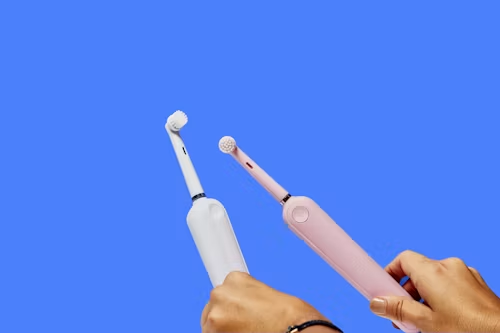
How To Brush Your Teeth With Braces Using An Electric Toothbrush Correctly?
Brushing with braces is not just about moving the brush across the teeth. The goal is to clean above the brackets, below the brackets, along the gumline, and around the chewing surfaces without pushing too hard. Electric toothbrushes can help because the bristles already move quickly, so the user does not need to scrub forcefully.
A braces-friendly brushing routine usually works best when it is slow and section-based. Instead of rushing across the mouth, place the brush head on one small area, let it clean for a few seconds, then move to the next section.
| Brushing Area | Best Angle | Why It Matters |
| Above brackets | 45 degrees downward | Cleans plaque near the top edge of brackets |
| Below brackets | 45 degrees upward | Removes trapped food under wires |
| Gumline | Slight angle toward gums | Helps reduce plaque buildup and irritation |
| Chewing surfaces | Flat contact | Cleans molars and biting areas |
| Back teeth | Slow, controlled movement | Prevents missed plaque in hard-to-reach areas |
New orthodontic patients often feel unsure about pressure, timing, and brush placement, which is why best electric toothbrush for braces for beginners can be helpful for choosing a simple model with gentle controls and easy daily use.
The Best Brushing Technique For Brackets, Wires, And Gumlines
The most effective technique is to let the electric toothbrush do the movement while the hand guides placement. Start with the outer surfaces of the teeth, then clean above and below each bracket line. After that, clean the inside surfaces and chewing areas.
A practical routine looks like this:
- Rinse the mouth first to loosen food particles.
- Apply fluoride toothpaste to the brush head.
- Hold the brush gently against the teeth.
- Clean one tooth or bracket area at a time.
- Pause briefly around brackets instead of dragging quickly.
- Brush for at least two minutes, or longer if food is stuck.
- Rinse the brush head thoroughly after use.
Avoid pressing the brush hard into the brackets. Heavy pressure can bend bristles, irritate gums, and reduce cleaning efficiency. If the brush has a pressure sensor, let it guide you.
Choosing The Right Brush Head And Settings For Braces
The brush head matters more with braces than many people realize. Large brush heads may feel efficient, but they can be harder to maneuver around brackets, archwires, and back molars. Smaller brush heads often provide better control because they can reach tighter spaces without bumping awkwardly against orthodontic hardware.
People with crowded teeth, smaller mouths, or tightly placed brackets may find best compact brush head electric toothbrush for braces more comfortable because compact heads can clean around wires with less bulk and better precision.
Settings also matter. A high-powered mode may feel too intense after wire tightening or during gum sensitivity. Gentle, sensitive, or daily-clean modes are usually easier to tolerate while still supporting plaque removal.
During the first few days after orthodontic adjustments, best electric toothbrush for sensitive teeth with braces can make brushing feel less uncomfortable, especially when gums are tender or teeth feel sore from pressure changes.
Daily Electric Toothbrush Routine For Braces Wearers
Consistency is what keeps braces cleaner over time. Many braces wearers brush in the morning and at night, but adding a quick after-meal cleaning can make a major difference. Food often gets stuck around brackets after lunch, snacks, or chewy meals, so a travel brush or interdental brush can help when a full brushing session is not possible.
A simple daily routine may include:
| Time | What To Do |
| Morning | Brush teeth, brackets, gumline, and tongue |
| After meals | Rinse, remove visible food, use interdental brush if needed |
| Evening | Brush thoroughly, floss, and clean around wires |
| Weekly | Check brush head wear and clean the handle area |
A consistent routine matters more than aggressive scrubbing, so setup, usage, and daily brushing routine becomes especially useful for building habits that keep brackets, wires, and gumlines cleaner every day.
Electric brushing should also work alongside flossing. Braces still require floss threaders, orthodontic flossers, interdental brushes, or a water flosser because toothbrush bristles cannot fully clean between teeth and under wires.
Common Brushing Mistakes People Make With Braces
One of the most common mistakes is brushing too quickly. Braces create extra surfaces, so a normal fast brushing habit often leaves plaque behind. Another mistake is only cleaning the front of brackets while ignoring the gumline, lower bracket edges, and back teeth.
Other mistakes include:
- Using too much pressure around brackets
- Keeping the same brush head for too long
- Skipping brushing after sticky or starchy foods
- Forgetting the inside surfaces of teeth
- Assuming an electric toothbrush replaces flossing
- Using whitening toothpaste unevenly during braces treatment
Pressing too hard can irritate gums and wear brush heads faster, so safety, maintenance, and best practices should guide how users clean around brackets without damaging orthodontic work or making sensitivity worse.
Helpful Add-Ons For Better Braces Cleaning
An electric toothbrush is only one part of braces hygiene. Add-ons can make cleaning easier, especially for people who frequently get food trapped around brackets.
Useful tools include:
- Interdental brushes for spaces around brackets
- Orthodontic flossers for cleaning between teeth
- Water flossers for flushing debris around wires
- Fluoride mouthwash for enamel support
- Travel toothbrush cases for school, work, or trips
- Replacement brush heads for consistent cleaning performance
These tools do not replace careful brushing, but they can improve the overall routine. They are especially useful for people with tight brackets, crowded teeth, or a history of plaque buildup during orthodontic treatment.
Using the right technique alongside these cleaning tools can also help address common questions about electric brushing with braces.
FAQs About brushing your teeth with braces using an electric toothbrush
These common questions clarify brushing time, bracket contact, brush-head softness, and the role of flossing in a complete braces-cleaning routine.
Can you use an electric toothbrush with braces?
Yes, an electric toothbrush can be used with braces when gentle pressure and proper angles are used. It can help clean around brackets, wires, and gumlines more consistently than rushed manual brushing.
How long should you brush with braces?
Most people should brush for at least two minutes, but braces may require extra time. Focus on each bracket area, gumline, inner tooth surface, and chewing surface instead of rushing.
Should the brush touch the brackets?
Yes, the bristles can gently touch around brackets, but the brush should not be forced against them. Let the electric motion clean while you guide the brush carefully.
Is a soft brush head better for braces?
A soft brush head is usually better because it is gentler on gums, brackets, and enamel. Hard bristles can irritate tissue and may not clean better.
Do you still need to floss with an electric toothbrush?
Yes, flossing is still necessary. Electric toothbrushes clean tooth surfaces, but floss or orthodontic cleaning tools are needed between teeth and under wires.
These answers reinforce the main brushing habits before the key braces-care recommendations are summarized.
Final Verdict
Learning how to brush your teeth with braces using an electric toothbrush comes down to gentle pressure, correct angles, enough time, and consistent daily habits. The best results come from cleaning above and below brackets, paying attention to the gumline, and using flossing tools alongside brushing. With the right method, an electric toothbrush can make braces care easier, cleaner, and more comfortable.