Floss picks vs string floss for tight teeth is a practical comparison between two common interdental cleaning methods used when teeth sit very close together. Tight contacts can make flossing uncomfortable because the floss may snap, shred, or feel difficult to guide below the gumline. Choosing the right format matters because effective plaque removal depends on both the floss material and how well a person can control it during daily use.
This article explains how floss picks and string floss perform between tight teeth, which option gives better plaque control, when natural floss makes sense, and when alternatives such as water flossers or soft picks may help. The goal is to make flossing easier, more realistic, and more consistent without relying on guesswork.
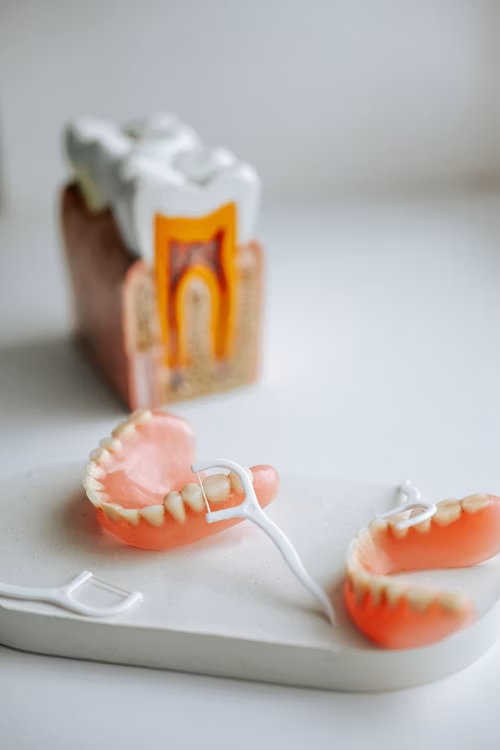
Floss Picks Vs String Floss For Tight Teeth
String floss is usually the more flexible option because it can wrap around each tooth and clean with a curved C-shape motion. That makes it especially useful for removing plaque near the gumline. It also allows a clean section of floss to be used between each space, which can improve hygiene during a full-mouth routine.
Floss picks are often easier to handle, especially for people who dislike wrapping floss around their fingers. They can be useful for quick cleaning, back teeth, travel, or limited hand mobility. People with limited hand mobility often prefer best floss picks for tight teeth because the handle makes back teeth easier to reach without wrapping string around the fingers.
Why String Floss Gives Better Angle Control?
String floss gives more freedom to adjust pressure, angle, and curve. This matters because tight teeth often require a careful side-to-side motion before the floss passes through the contact point. Once it enters the space, string floss can hug one tooth, then the other.
That wrapping motion is where string floss performs well. It cleans more surface area than a straight up-and-down movement. For people with gumline plaque, crowding, or narrow tooth spacing, the added control can make a meaningful difference.
Why Floss Picks Feel Easier For Quick Daily Use?
Floss picks are convenient because they are simple to hold and easy to use outside the bathroom. They can help people who struggle with finger dexterity or who avoid flossing because the process feels awkward.
The limitation is flexibility. A pick holds the floss in a fixed line, so it may not curve around the tooth as naturally as string floss. This does not make floss picks useless, but it does mean technique still matters. A gentle motion is better than snapping the pick between teeth.
Which Option Removes Plaque Better Between Tight Teeth?
Plaque removal depends on contact, movement, and consistency. The best floss is not only the one with the strongest claims. It is the one that fits between tight teeth comfortably enough to use every day.
Tight spaces can trap plaque near the gumline, which is why best dental floss for plaque removal in tight teeth usually depends on controlled contact, surface texture, and consistent daily use. If floss slides in smoothly but does not clean the tooth surface, it may feel comfortable without being fully effective.
How Close Contacts Affect Plaque Removal?
Close contacts can block thicker floss from entering the space cleanly. If the floss snaps through too hard, it may miss the tooth surface and injure the gums. If it shreds, it may leave fibers behind or discourage regular use.
A good flossing method should do three things:
- Pass through the tight contact without excessive force
- Curve against each tooth surface
- Move slightly below the gumline without cutting the tissue
String floss often performs best for this because it allows more control. However, a thin, strong floss pick may be better than string floss if it helps someone floss more consistently.
When Waxed Floss, Tape, Or Expanding Floss Performs Better?
Waxed floss usually glides more smoothly through tight teeth than unwaxed floss. Dental tape may feel gentler because it has a flatter surface, though some tapes may still be too wide for very narrow contacts. Expanding floss can clean well after it passes through the contact, but it may feel bulky for extremely tight spacing.
| Floss Type | Strength | Best Use Case |
| Waxed string floss | Smooth glide | Tight contacts and daily flossing |
| Dental tape | Gentle surface feel | Sensitive gums and wider spaces |
| Expanding floss | Better surface contact | Plaque removal after passing the contact |
| Floss picks | Easy handling | Travel, back teeth, and quick routines |
The right option should glide without shredding and still provide enough texture to disturb plaque.
Are Natural Floss Options Good For Tight Teeth?
Natural floss can be a good option for people who want plant-based, silk, bamboo fiber, charcoal-infused, or plastic-reduced oral care products. However, natural does not automatically mean better for tight teeth. The floss still needs to be thin, strong, smooth, and resistant to fraying.
Eco-conscious buyers still need smooth glide and shred resistance, so best natural dental floss for tight teeth should be judged by performance between close contacts, not just ingredient claims. A natural floss that breaks easily or drags painfully through tight spaces will not support long-term consistency.
What To Know About Silk, Charcoal, Bamboo, And Plant-Based Floss?
Silk floss can feel smooth and traditional, but it may not suit vegan buyers. Bamboo or plant-based floss may appeal to people reducing plastic use, though texture varies by brand and coating. Charcoal floss is often marketed for freshness or visual plaque awareness, but the main concern should still be comfort and cleaning ability.
For tight teeth, the coating and thickness matter more than the label. A natural floss should slide cleanly, stay intact, and feel controlled near the gumline.
Why Texture And Glide Matter More Than Marketing Claims?
Marketing terms can be helpful, but they do not replace real performance. Tight teeth need floss that can pass through close contacts without sawing aggressively. If the surface feels rough, dry, or sticky, the floss may create more irritation than benefit.
Look for floss that balances smooth glide with enough grip to clean. Overly slick floss may pass through easily but remove less plaque, while rough floss may clean better but feel uncomfortable.
When Floss Alternatives Make Sense?
Alternatives can help when standard floss is difficult, especially for braces, bridges, retainers, implants, or dexterity challenges. Water flossers, interdental brushes, and soft picks each have a role, but they are not identical to floss.
Water flossers can be helpful around braces or dental work, but best dental floss for tight teeth vs alternatives often comes down to whether the tool can physically clean the contact point between teeth. For very tight contacts, a water flosser may rinse the gumline well but may not fully replace the mechanical wiping action of floss.
Water Flossers, Interdental Brushes, And Soft Picks
Water flossers use pressure to flush debris and bacteria from around the gums. They can be useful for people with braces, implants, or sensitive gums. Interdental brushes work well for larger gaps but may not fit tight contacts. Soft picks are convenient but can bend or fail to enter very narrow spaces.
Each tool has a purpose:
- Water flossers help rinse around dental work and gumlines.
- Interdental brushes suit open spaces, not extremely tight contacts.
- Soft picks are useful after meals but may not replace floss.
- Traditional floss is often better for wiping tight tooth surfaces.
Why Alternatives May Help But Do Not Always Replace Floss?
Alternatives can improve oral care, but they may not clean the same way. Floss physically wraps and wipes the side of each tooth. That is especially important where teeth touch closely.
The biggest long-term value comes from daily plaque disruption, and benefits of dental floss for tight teeth become easier to notice when the floss fits comfortably enough to use every night. The best routine may include both floss and an alternative, depending on dental needs.
Choosing between string floss, floss picks, and other interdental tools ultimately depends on how well the option fits tight contacts while allowing comfortable, controlled cleaning.
FAQs About Floss Picks vs String Floss For Tight Teeth
These common questions clarify the differences in control, comfort, glide, and plaque removal when choosing a flossing method for closely spaced teeth.
Is string floss better than floss picks for tight teeth?
String floss usually gives better control because it can curve around each tooth. Floss picks are easier to handle but may not clean as thoroughly around the gumline.
Are floss picks bad for tight teeth?
Floss picks are not bad for tight teeth if they slide gently and do not snap into the gums. They work best when used carefully and consistently.
What type of floss slides best between tight teeth?
Waxed floss often slides best between tight teeth because the coating reduces friction. Thin shred-resistant floss can also work well for narrow contact points.
Can a water flosser replace floss for tight teeth?
A water flosser can support gum cleaning, but it may not fully replace floss between tight contacts because it does not wipe the tooth surface the same way.
Why does floss shred between tight teeth?
Floss may shred because of rough fillings, tight contacts, tartar buildup, or a floss texture that is not strong enough. Repeated shredding in one spot should be checked by a dentist.
These answers summarize the main practical considerations before comparing the overall advantages of each flossing method.
Final Verdict
String floss usually offers better control for tight teeth because it can curve around each tooth and clean near the gumline. Floss picks are easier and more convenient, especially for back teeth or quick routines. The best choice is the one that fits smoothly, removes plaque effectively, and feels realistic enough to use every day.