
Non fluoride toothpaste for sensitive teeth, whitening, and natural oral care is toothpaste made without fluoride while still targeting specific needs such as tooth sensitivity, surface stains, ingredient simplicity, breath freshness, or gum comfort. It matters because fluoride-free formulas are not all designed for the same purpose, and choosing the wrong one can lead to discomfort, weak stain control, poor texture, or unrealistic expectations about enamel support.
This article explains how to match non fluoride toothpaste to different oral care goals. You will learn how sensitivity formulas differ from whitening formulas, when natural ingredients are helpful, how fluoride-free toothpaste compares with other options, and which oral care pairings can make the routine more complete.
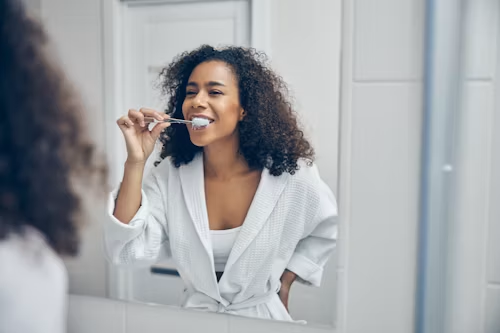
Non Fluoride Toothpaste For Different Oral Care Goals
Non fluoride toothpaste works best when it is chosen for a clear purpose. Some formulas are made for gentle daily cleaning, while others focus on whitening, breath control, plaque support, natural ingredients, or enamel-conscious mineral care. The label “fluoride-free” only tells you what the toothpaste does not contain; it does not explain what the formula is actually built to do.
A person with sensitive teeth may need a very different formula from someone who drinks coffee daily and wants stain support. A parent choosing toothpaste for the family may care about mild flavor and simple ingredients. A user switching from conventional toothpaste may want familiar foam and texture so the routine feels easy to maintain.
Why One Formula Does Not Fit Every Mouth?
A single non fluoride toothpaste rarely solves every concern equally well. Whitening formulas may use polishing agents that are not ideal for people with gumline sensitivity. Herbal formulas may appeal to ingredient-conscious users but feel too strong if they contain intense essential oils. Baking soda formulas may help with odor and surface stains but can feel gritty or salty.
The best choice depends on your main concern:
| Oral Care Goal | Better Formula Direction | What To Watch |
| Sensitive teeth | Gentle, low-abrasion paste | Strong mint, gritty texture |
| Whitening support | Mild polishing formula | Overly abrasive claims |
| Natural routine | Simple ingredient list | Weak cleaning feel |
| Family use | Mild flavor and smooth texture | Adult-only intensity |
| Breath freshness | Xylitol, zinc, mild mint | Burning sensation |
How Sensitivity, Staining, And Ingredient Preference Change The Choice?
People with gumline tenderness often prefer best non fluoride toothpaste for sensitive teeth because harsh abrasives, strong flavors, and aggressive whitening ingredients can make daily brushing uncomfortable. Sensitivity-focused formulas should feel smooth, mild, and easy to use twice a day without creating a burning or scraping sensation.
Stain-focused users need a different approach. They may want gentle polishing, baking soda, or silica-based cleaning that helps with surface discoloration from tea, coffee, or food. Ingredient-conscious users may prioritize plant-based cleansers, natural flavors, vegan formulas, or fewer synthetic additives.
Best Ingredient Priorities By User Need
Ingredients should be judged by function, not just by marketing language. A toothpaste can be fluoride-free and still contain excellent cleaning agents, or it can be natural-looking but poorly suited to daily use. The best formula is the one that matches your mouth, risk level, and brushing habits.
The American Dental Association notes that toothpastes may contain ingredients for sensitivity, gingivitis, tartar buildup, enamel erosion, whitening, or bad breath, but all ADA Seal toothpastes claiming cavity protection must contain fluoride. That distinction matters because non fluoride toothpaste should be selected with realistic expectations.
Sensitive Teeth And Gentle Cleaning Support
Sensitive teeth usually need a mild toothpaste with a low-abrasion texture. If your teeth react to cold drinks, brushing pressure, or gumline contact, avoid formulas that feel gritty, salty, or intensely minty. Strong essential oils may also irritate some users.
Look for:
- Smooth texture
- Mild flavor
- Low-abrasion polishing agents
- Hydroxyapatite or mineral-focused ingredients
- No harsh burning sensation
- No aggressive whitening claims
Consistency is especially important for sensitive users. If a toothpaste causes discomfort, you may brush too quickly or avoid brushing certain areas, which can make plaque control worse over time.
Whitening Goals Without Excessive Abrasion
Users chasing a brighter smile should treat best whitening support non fluoride toothpaste as a gentle stain-management choice, not a substitute for professional whitening. Most toothpaste whitening is about removing or reducing surface stains, not changing the natural color of teeth dramatically.
A good whitening support formula should clean without feeling rough. Abrasive toothpaste may make teeth look smoother at first, but frequent aggressive brushing can contribute to gum irritation and enamel wear concerns. For daily use, balance matters more than intensity.
Useful whitening-support habits include:
- Rinsing with water after coffee or tea
- Brushing gently with a soft toothbrush
- Avoiding heavy pressure
- Limiting frequent acidic drinks
- Choosing mild polishing formulas
- Getting professional cleanings regularly
Natural Formulas And Simpler Ingredient Labels
Ingredient-conscious shoppers often choose best natural formula non fluoride toothpaste when they want simpler labels, milder flavors, and fewer synthetic additives. Natural formulas may use coconut-derived cleansers, plant extracts, essential oils, baking soda, clay, xylitol, or mineral ingredients.
However, natural does not always mean gentler. Some herbal toothpastes use strong oils that may irritate sensitive gums. Some clay or charcoal formulas may feel too abrasive for daily brushing. Simpler labels can be helpful, but the formula still needs to clean well and feel comfortable.
How Non Fluoride Toothpaste Compares With Other Oral Care Options?
The real value of non fluoride toothpaste vs alternatives depends on whether the user needs cavity prevention, sensitivity relief, natural ingredients, or a low-abrasion daily cleanser. Fluoride toothpaste remains the standard recommendation for cavity protection, while fluoride-free products are often selected for personal preference, ingredient concerns, or alternative mineral support.
The CDC explains that fluoride helps repair and prevent acid-related tooth damage caused by bacteria in the mouth. That does not mean every person must choose the same toothpaste, but it does mean high-cavity-risk users should be cautious about switching without professional guidance.
Fluoride Toothpaste, Hydroxyapatite Toothpaste, And Herbal Formulas
Fluoride toothpaste is generally chosen for cavity protection. Hydroxyapatite toothpaste is often chosen by users looking for a mineral-based fluoride alternative. Herbal toothpaste is usually chosen for natural flavoring, plant-based positioning, and simpler personal care preferences.
| Toothpaste Type | Main Appeal | Best Fit |
| Fluoride toothpaste | Cavity protection | High-cavity-risk users |
| Hydroxyapatite toothpaste | Mineral-focused support | Fluoride-free enamel care seekers |
| Herbal toothpaste | Natural flavor and ingredient simplicity | Low-risk users prioritizing clean labels |
| Baking soda toothpaste | Odor and surface stain support | Coffee, tea, or breath concerns |
| Charcoal toothpaste | Cosmetic stain appeal | Occasional use with caution |
When Mouthwash, Floss, Or Remineralizing Products Matter More?
Toothpaste is only one part of oral care. If plaque remains between teeth, even a premium toothpaste cannot clean those tight spaces properly. Floss, interdental brushes, water flossers, and professional cleanings all help support areas toothpaste cannot reach.
Mouthwash can help with breath freshness or plaque support, but it should not be treated as a replacement for brushing and cleaning between teeth. Users with dry mouth, gum issues, frequent cavities, or enamel concerns may need a more personalized routine.
Practical Pairings That Make Non Fluoride Toothpaste Work Better
A smarter routine often includes add-ons, enhancements, and oral care pairings for non fluoride toothpaste, especially when plaque control, gum health, breath freshness, or staining are ongoing concerns. These pairings make the toothpaste part of a complete oral care system rather than the only line of defense.
For many users, the most important upgrade is not a more expensive toothpaste. It is brushing more consistently, using less pressure, replacing the toothbrush on time, and cleaning between teeth daily.
Daily Habits That Support Cleaner Teeth And Fresher Breath
Daily habits determine how well a fluoride-free routine performs. Brush for two minutes, use a soft-bristled toothbrush, and clean along the gumline without scrubbing aggressively. Spit after brushing, avoid rinsing excessively if your product instructions advise against it, and follow the directions on the specific toothpaste label.
Helpful habits include:
- Brushing twice daily
- Flossing or using interdental brushes
- Cleaning the tongue
- Drinking water after acidic foods
- Replacing toothbrushes every few months
- Scheduling regular dental visits
Add-Ons That Help With Staining, Sensitivity, And Gum Care
Different concerns need different pairings. For staining, professional cleanings, water after coffee, and gentle polishing toothpaste can help. For sensitivity, use a soft brush and avoid aggressive scrubbing. For gum care, daily interdental cleaning is often more important than changing toothpaste alone.
Practical pairings include:
| Concern | Helpful Pairing | Why It Helps |
| Surface stains | Professional cleaning | Removes buildup toothpaste cannot fully address |
| Sensitive teeth | Soft brush | Reduces pressure-related discomfort |
| Bad breath | Tongue cleaner | Targets odor-causing residue |
| Gumline plaque | Interdental brush | Cleans areas regular brushing misses |
| Dry mouth | Hydration and dental advice | Supports comfort and cavity-risk management |
For many users, the most important upgrade is not a more expensive toothpaste. It is brushing more consistently, using less pressure, replacing the toothbrush on time, and cleaning between teeth daily.
These common questions help clarify how fluoride-free formulas fit sensitivity, whitening, ingredient preferences, and supporting oral care products.
FAQs About Non Fluoride Toothpaste
The answers below address common concerns about sensitivity, surface stain removal, natural toothpaste labeling, potentially irritating ingredients, and the role of mouthwash.
Is non fluoride toothpaste good for sensitive teeth?
Non fluoride toothpaste can work for sensitive teeth if it is mild, smooth, low-abrasion, and free from irritating flavors. People with persistent sensitivity should ask a dentist to rule out gum recession, enamel wear, or decay.
Can non fluoride toothpaste whiten teeth?
Non fluoride toothpaste may help reduce surface stains through gentle polishing ingredients. It usually will not dramatically change tooth color or replace professional whitening treatments.
Is natural toothpaste always non fluoride?
No. Some natural-positioned toothpastes contain fluoride, while many fluoride-free formulas are marketed as natural. Always check the active ingredient panel instead of relying only on front-label wording.
What ingredients should sensitive users avoid?
Sensitive users may want to avoid harsh abrasives, strong essential oils, intense mint flavors, charcoal-heavy formulas, and gritty textures. A mild, smooth toothpaste is usually easier to tolerate.
Can mouthwash replace fluoride toothpaste?
Mouthwash cannot replace brushing. It may support freshness or plaque control, but toothpaste and mechanical brushing are still essential for cleaning teeth and gumline areas.
These answers reinforce the importance of matching the toothpaste and supporting oral care routine to individual sensitivity, whitening, and ingredient priorities.
Final Verdict
Non fluoride toothpaste can fit sensitive teeth, whitening goals, natural routines, and ingredient-conscious oral care when the formula matches the user’s real needs. Sensitivity-focused users should prioritize mild texture, whitening-focused users should avoid excessive abrasion, and natural-product users should still judge formulas by comfort and cleaning performance.
The most reliable routine combines the right toothpaste with gentle brushing, interdental cleaning, regular dental visits, and realistic expectations. Non fluoride toothpaste can be useful, but it works best as part of a complete oral care routine rather than a standalone solution.