
Plantar fasciitis shoe mistakes are footwear choices or wearing habits that increase strain on the heel, arch, and plantar fascia instead of reducing it. These mistakes often happen when people focus only on softness, familiar sizing, trendy designs, or short-term comfort without checking whether the shoe actually supports daily movement. For anyone dealing with morning heel pain, arch tightness, or soreness after standing, the wrong shoe can keep irritation active even when the shoe feels comfortable at first.
This article explains the most common shoe mistakes that can make plantar fasciitis pain worse and how to avoid them. You will learn why structure matters, how pronation affects support needs, why standing shoes are different from casual walking shoes, and when worn-out footwear should be replaced before it starts creating new discomfort.
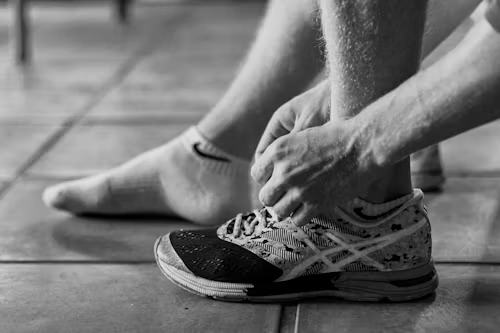
Why The Wrong Shoes Can Keep Plantar Fasciitis Pain Active?
Plantar fasciitis often becomes more frustrating when footwear keeps repeating the same stress pattern every day. The plantar fascia needs enough support to manage pressure from the heel through the arch. If a shoe allows the foot to collapse, twist, slide, or land too harshly, the irritated tissue may never get a real break.
The problem is not always obvious. Many shoes look athletic, cushioned, and supportive from the outside, but they may lack the structure needed for heel pain. A shoe can feel pleasant during a short try-on and still fail during a full workday, long walk, or active routine.
How Repeated Heel Stress Slows Recovery?
Every step places force through the heel. When the shoe does not absorb impact well or guide the foot properly, the heel absorbs more stress than it should. Over time, this can make symptoms linger, especially on hard floors or pavement.
People often notice pain after standing from bed, walking after long sitting, or finishing a busy day. These patterns can become worse when shoes are too flexible, too flat, or too worn to provide reliable shock absorption.
Why Cushioning Alone Does Not Fix Poor Support?
Cushioning can reduce impact, but it does not automatically control foot motion. A soft shoe with weak structure may let the arch sink and the heel shift. That can increase plantar fascia tension even if the shoe feels comfortable for the first few minutes.
Supportive footwear should balance cushioning, heel stability, arch guidance, and fit. When one of those pieces is missing, heel pain may continue despite buying shoes that seem comfortable.
Mistake 1: Choosing Soft Shoes With Weak Structure
Many people with plantar fasciitis reach for the softest shoe they can find. This makes sense because heel pain feels like it needs padding. However, too much softness without structure can create instability. The foot may sink into the midsole, the arch may drop, and the heel may move more than it should.
Many shoppers focus on softness first, but how to choose shoes for plantar fasciitis usually starts with structure, heel stability, arch support, and a sole that bends in the right place.
Why Too Much Flexibility Can Increase Fascia Strain?
A shoe that folds easily through the middle may not support the arch during walking. The plantar fascia then has to manage more tension on its own. This can be especially uncomfortable during longer walks, errands, or work shifts.
A supportive shoe should flex near the forefoot, where the toes naturally bend. It should not collapse through the midfoot. This simple test helps separate soft but weak shoes from shoes that provide real walking support.
How To Check Heel And Midfoot Stability?
Before choosing a shoe, check the heel counter and midfoot area. The heel counter should feel firm enough to hold the rearfoot. The midfoot should resist twisting too easily.
A basic support check includes:
- Press the heel counter to see if it collapses
- Twist the shoe gently from heel to toe
- Bend the shoe and check where it flexes
- Stand in both shoes and notice arch contact
- Walk for a few minutes and check heel movement
If the shoe feels unstable during these checks, it may not be the best option for plantar fasciitis.
Mistake 2: Ignoring Pronation And Foot Mechanics
Foot mechanics matter because not every person loads the heel and arch the same way. Some people have a neutral step pattern, while others roll inward more heavily. This inward rolling is called overpronation, and it can increase strain through the arch and plantar fascia.
When the foot rolls inward heavily, neutral cushioning may not control the motion well enough, which is why best shoes for plantar fasciitis for severe overpronation can be more useful for people who need firmer medial support.
Why Overpronation Changes Heel And Arch Loading?
Overpronation can cause the arch to flatten more during walking. When that happens repeatedly, the plantar fascia may stay under extra tension. The heel may also land at a less stable angle, making each step feel less controlled.
People with overpronation may notice uneven wear on the inside of the outsole, ankle fatigue, or shoes that feel like they lean inward over time. These signs suggest that neutral shoes may not provide enough support.
When Stability Shoes Make More Sense Than Neutral Shoes?
Stability shoes are designed to help guide the foot through a more controlled step. They may include firmer midsole sections, wider bases, structured heel counters, or supportive geometry.
A stability shoe may be helpful when:
- The foot rolls inward noticeably
- Heel pain worsens after longer walks
- Neutral shoes feel too soft or unstable
- The inside edge of the shoe wears quickly
- The arch feels tired by the end of the day
The goal is not to force the foot into an unnatural position. The goal is to reduce excessive movement so the foot feels steady and supported.
Mistake 3: Wearing The Same Shoes For Standing, Walking, And Exercise
A shoe that works for short errands may not work for all-day standing. A shoe that feels good for walking may not be stable enough for gym use. Plantar fasciitis often becomes worse when one pair is expected to handle every activity.
People who stand for long shifts often need steadier underfoot support than casual walkers, so best shoes for plantar fasciitis for all-day standing usually prioritize durable cushioning, broad platform stability, and pressure control.
Why Workday Shoes Need Different Support Priorities?
Standing places long, continuous pressure under the heel. Unlike walking, where the foot keeps moving, standing can keep pressure concentrated in the same areas. This makes cushioning durability and platform stability especially important.
People who work in kitchens, clinics, retail settings, classrooms, salons, or warehouses may need shoes that stay supportive for hours. A lightweight casual sneaker may feel fine at first but lose comfort before the day ends.
How Activity Type Should Influence Shoe Choice?
Different routines require different footwear priorities. Walking shoes need smooth transitions. Standing shoes need stable cushioning. Exercise shoes may need lateral support, depending on the activity. Recovery footwear should protect the foot at home instead of leaving the heel unsupported on hard floors.
| Activity | Main Shoe Priority | Common Mistake |
| Daily walking | Smooth cushioning and arch support | Choosing softness without stability |
| All-day standing | Durable cushioning and broad base | Wearing casual sneakers too long |
| Light exercise | Secure fit and controlled movement | Using worn walking shoes |
| Home recovery | Support on hard floors | Walking barefoot for long periods |
Mistake 4: Assuming A Shoe Fits Because The Size Is Familiar
Shoe size is not always consistent across brands, models, or widths. A person may wear the same number for years and still end up with shoes that are too narrow, too shallow, or too loose in the heel.
Poor fit can increase plantar fasciitis discomfort because the foot either lacks room or lacks control. Tight shoes can create pressure through the forefoot and arch. Loose shoes can allow the heel to slide, forcing the foot to grip and stabilize itself.
Toe Box Pressure And Heel Slippage
The toe box should allow natural toe spread without squeezing the forefoot. If the toes feel compressed, the foot may not move efficiently through each step. This can change how pressure travels through the arch and heel.
Heel slippage is another problem. If the heel lifts too much, the foot may work harder to stay secure. This can create rubbing, fatigue, and unstable movement.
Why Sock Thickness And Lacing Change Support?
Small fit adjustments can change how supportive a shoe feels. Thicker socks can reduce rubbing but may make the forefoot tighter. Thinner socks may create more space but less padding. Lacing can improve heel hold or relieve pressure across the top of the foot.
Useful adjustments include heel-lock lacing, loosening the forefoot eyelets, changing sock thickness, or testing the shoe later in the day when feet are slightly more expanded.
Mistake 5: Keeping Shoes Long After Support Breaks Down
Shoes do not need to look destroyed before they stop supporting the foot. Midsole cushioning can compress gradually. Heel counters can soften. Outsoles can wear unevenly. Once this happens, plantar fasciitis discomfort may return even if the shoe used to feel excellent.
A shoe that felt supportive six months ago can lose shock absorption and heel control with daily use, making longevity and long-term value an important part of pain prevention rather than just a budget concern.
Signs Cushioning And Stability Are Wearing Out
Worn support can be subtle. The shoe may still look acceptable, but the foot may feel more tired after wearing it. If heel pain returns after a period of improvement, the shoe condition should be checked.
Common signs include:
- Uneven outsole wear
- Compressed midsole foam
- New heel soreness after normal use
- Reduced arch support feeling
- The shoe leans inward or outward
- More foot fatigue by the end of the day
How Replacement Timing Protects Long-Term Comfort?
Replacement timing depends on usage, body weight, walking surface, and shoe construction. Someone who wears the same pair all day on hard floors may need replacement sooner than someone who rotates shoes.
Rotating between supportive pairs can help extend shoe life. It also gives cushioning time to recover between wears and reduces the chance of relying on a single worn-down pair.
Troubleshooting Persistent Shoe Discomfort
Sometimes a shoe is not completely wrong, but something about the fit or setup needs adjustment. Heel rubbing, arch pressure, and midfoot tightness do not always mean the shoe should be abandoned immediately.
Heel rubbing, arch pressure, and midfoot tightness do not always mean the shoe is wrong, since common problems of shoes for plantar fasciitis & their solutions often involve lacing changes, break-in timing, or insole adjustments.
Heel Rubbing, Arch Pressure, And Midfoot Tightness
Heel rubbing may improve with better lacing or socks, but severe slipping usually means the fit is wrong. Arch pressure may settle after short wear, but sharp discomfort can mean the arch shape does not match the foot. Midfoot tightness may require different lacing or a wider size.
The key is to separate normal adjustment from warning signs. A supportive shoe should not cause numbness, sharp pain, or new pressure points that worsen with use.
When To Try Insoles Or Professional Footwear Advice?
Insoles can help when the shoe has enough structure but needs better arch support or heel cushioning. They are less useful in shoes that are already unstable, too tight, or too flexible.
Professional footwear advice may help if pain persists despite supportive shoes, especially for people with severe overpronation, very high arches, wide feet, prior injuries, or work routines that require long standing.
The key is to separate normal adjustment from warning signs. A supportive shoe should not cause numbness, sharp pain, or new pressure points that worsen with use.
Persistent footwear problems are easier to evaluate when the most common questions about support, cushioning, stability, and insoles are considered together.
FAQs About Plantar Fasciitis Shoe Mistakes
These answers address common footwear mistakes that may increase heel discomfort or reduce the support needed during walking and standing.
Can the wrong shoes make plantar fasciitis worse?
Yes, shoes that are flat, unstable, worn out, or poorly fitted can increase strain on the heel and plantar fascia. Supportive structure is often as important as cushioning.
Are soft shoes bad for plantar fasciitis?
Soft shoes are not always bad, but softness without stability can be a problem. The shoe should cushion impact while still supporting the arch and controlling heel movement.
How do I know if my shoes lack support?
Signs include heel soreness, arch fatigue, uneven outsole wear, midfoot collapse, heel slipping, or shoes that twist easily. These usually suggest poor structure or worn cushioning.
Should I wear stability shoes for plantar fasciitis?
Stability shoes may help if you overpronate or feel unstable in neutral shoes. They can reduce excessive inward rolling and provide better control during walking or standing.
Can insoles fix plantar fasciitis shoe problems?
Insoles can improve support in a suitable shoe, but they cannot fix shoes that are too narrow, worn out, overly flexible, or unstable through the heel and midfoot.
These common concerns highlight why fit, structure, stability, and shoe condition should all be considered when managing persistent heel discomfort.
Final Verdict
Plantar fasciitis shoe mistakes usually come from choosing softness over structure, ignoring foot mechanics, wearing one pair for every activity, accepting poor fit, or keeping shoes after support has broken down. These habits can keep heel pain active even when the shoe seems comfortable at first.
The best approach is to choose shoes that match the foot, activity, and support need instead of relying on cushioning alone. When fit, structure, stability, and replacement timing work together, footwear becomes a practical part of managing heel pain rather than another source of irritation.