
Best laminate flooring for kitchens and busy homes means flooring that can handle spills, foot traffic, cleaning, dropped items, and daily wear without losing its structure or appearance. In practical terms, it needs more than a nice wood-look surface; it needs moisture resistance, stable construction, and a finish that survives real household use.
This guide explains what matters most in kitchen and family spaces, how waterproof and water-resistant laminate differ, which features affect durability, and what mistakes homeowners should avoid before buying or installing laminate flooring.
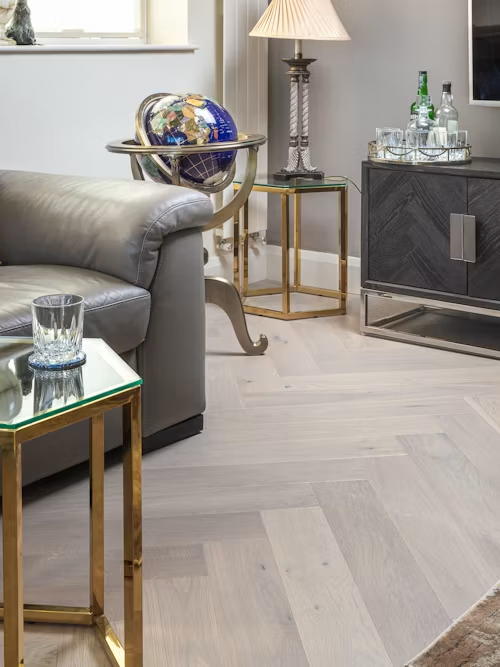
Why Kitchen Laminate Flooring Needs Different Priorities?
Kitchen flooring works harder than most people realize. It deals with chair movement, cooking splashes, pet bowls, wet shoes, crumbs, frequent sweeping, and repeated spot cleaning. A laminate floor that looks beautiful in a quiet bedroom may not perform the same way beside a sink, dishwasher, or kitchen island.
That is why appearance should not be the first deciding factor. The surface style matters, but the core, edge protection, wear layer, and cleaning tolerance matter more. Homes with frequent cooking, spills, and foot traffic usually need best laminate flooring for kitchens because moisture behavior matters as much as design.
A good kitchen laminate should offer:
- A durable wear layer for scratches and scuffs
- Tight locking edges that reduce moisture entry
- A stable core that resists swelling
- A surface texture that is not too slippery
- Easy cleaning without special maintenance products
The best choice is usually the floor that balances realistic household use with the look you want, not the one that only looks impressive in a showroom.
This becomes even more important when the kitchen connects to living rooms, hallways, dining areas, or entry spaces.
What Makes Laminate Flooring Work Well In Busy Homes?
Busy homes need laminate flooring that can tolerate constant movement without showing every mark. Children, pets, guests, rolling chairs, and daily cleaning all affect long-term performance. A strong wear layer helps protect the printed design layer from scuffs, scratches, and dull patches.
The AC rating is one useful clue. Many residential spaces do well with AC3 or AC4 flooring, while heavier household traffic may benefit from stronger ratings. Thickness also matters, though thicker does not always mean better. A well-made 10 mm or 12 mm board can feel more solid underfoot, especially when paired with quality underlayment.
Texture is another practical feature. Very smooth laminate can look sleek but may show footprints, dust, and smudges more easily. Light embossing can improve grip and make the floor feel closer to natural wood. Families with children or pets often benefit from safety, maintenance, and best practices for laminate flooring because cleaning habits affect both appearance and lifespan.
Here is a simple comparison of kitchen-friendly features:
| Feature | Why It Matters In Busy Homes |
| Wear Layer | Helps resist scratches, scuffs, and daily traffic marks |
| Water Protection | Reduces risk from spills and damp cleaning |
| Textured Finish | Improves grip and hides minor surface marks |
| Strong Locking System | Keeps planks tighter and more stable |
| Quality Underlayment | Adds comfort, sound control, and support |
| Matte Or Low-Sheen Finish | Hides dust and everyday wear better |
The right laminate should feel stable, clean easily, and continue looking intentional after months of normal use.
Once durability is clear, the next major decision is moisture protection.
Waterproof Vs Water-Resistant Laminate Flooring
Waterproof and water-resistant laminate are often treated as the same thing, but they are not identical. Water-resistant laminate can usually handle small spills if they are cleaned quickly. Waterproof laminate is designed to provide stronger protection against surface moisture for a longer period, depending on the product’s construction and manufacturer claims.
In kitchens, waterproof laminate usually makes more sense near sinks, dishwashers, refrigerators with water dispensers, breakfast areas, and exterior doors. These are places where moisture exposure is not unusual. In homes where dishwashers, sinks, or entryways create repeated moisture exposure, best waterproof laminate flooring often gives buyers more practical protection than standard boards.
However, even waterproof laminate is not a license to ignore standing water. If water sits along seams for too long, problems can still develop, especially if installation is poor or edges are damaged.
Water-resistant laminate may be enough when:
- The kitchen is lightly used
- Spills are cleaned quickly
- There are no pets or young children
- The subfloor is dry and stable
- The area has limited sink or dishwasher exposure
Waterproof laminate is usually better when:
- The kitchen is a main family gathering area
- Pets eat or drink nearby
- Children frequently spill drinks
- The floor continues into an entryway
- You want more protection for long-term use
The safest approach is to choose moisture protection based on the room’s habits, not just the product label.
After moisture resistance, buyers should compare the construction details that affect everyday performance.
How To Compare Laminate Flooring For Kitchens?
Comparing laminate flooring for kitchens requires looking beyond color, plank width, and surface pattern. Those details shape the design, but they do not tell the full performance story. A major part of how to choose laminate flooring is comparing wear rating, core quality, and edge sealing instead of relying only on color or plank width.
Start with plank thickness and core density. Thicker planks often feel more solid, but density and locking quality are just as important. A weak locking system can lead to gaps, movement, or raised seams over time. In kitchens, those small openings can become moisture entry points.
Next, check the finish. Matte, satin, and lightly textured surfaces usually work better in active homes than glossy finishes. Glossy laminate can highlight footprints, smudges, scratches, and cleaning streaks, especially under bright kitchen lighting.
Also consider underlayment. Some laminate includes attached padding, while other floors require separate underlayment. In kitchens, underlayment can help with sound, comfort, and minor subfloor imperfections, but it must be compatible with the flooring system.
Before choosing, compare these details:
- AC rating for traffic durability
- Water protection claims and limitations
- Core type and plank density
- Edge sealing or treated locking joints
- Slip feel underfoot
- Cleaning instructions
- Warranty exclusions for kitchens or moisture
- Compatibility with underlayment or radiant heat
A floor that checks these boxes is more likely to perform well after installation.
Still, even a good product can fail when homeowners make avoidable mistakes.
Common Kitchen Laminate Flooring Mistakes
One of the most common mistakes is ignoring the subfloor. Laminate needs a flat, dry, and stable base. If the subfloor has dips, raised seams, old adhesive lumps, or moisture problems, the finished floor may click, flex, separate, or wear unevenly.
Another mistake is forgetting expansion gaps. Laminate expands and contracts with temperature and humidity changes. If planks are installed too tightly against walls, cabinets, or transitions, the floor can buckle or lift. This is especially important in kitchens where temperature and humidity shift during cooking.
Peaking, swelling, and seam damage are easier to prevent when homeowners understand common problems of laminate flooring & their solutions before installation begins. Many issues are not caused by laminate itself but by poor preparation, unrealistic expectations, or improper cleaning.
Avoid these kitchen laminate flooring mistakes:
- Installing over a damp or uneven subfloor
- Using a steam mop when the manufacturer advises against it
- Leaving spills along seams
- Skipping expansion gaps
- Choosing very glossy finishes for heavy-use areas
- Ignoring appliance leak risks
- Using harsh cleaners that leave residue
- Dragging chairs or appliances without protection
Small details make a large difference. Felt pads, mats near sinks, quick spill cleanup, and proper transitions can extend the life of the floor significantly.
With the main risks understood, it becomes easier to choose laminate that fits the way the home actually functions.
Best Use Cases For Kitchen And Busy-Home Laminate Flooring
Laminate flooring can be a smart choice when homeowners want the appearance of wood without the higher cost, maintenance, or moisture sensitivity of some natural materials. It works especially well in open-plan homes where the kitchen connects to living or dining spaces because the same flooring can create a consistent visual flow.
It is also useful for families who want a surface that is easier to clean than carpet and warmer underfoot than tile. While tile is extremely durable, it can feel hard and cold. Laminate offers more comfort, especially in homes where people spend long hours standing, cooking, or moving between rooms.
Laminate is a strong fit for:
- Family kitchens
- Dining areas
- Hallways
- Living rooms
- Mudroom-adjacent spaces
- Rental-friendly renovations
- Budget-conscious remodels
- Multi-room flooring updates
It may not be the best fit for bathrooms, laundry rooms with frequent leaks, or areas where standing water is common. In those spaces, vinyl plank, tile, or other waterproof flooring may be more practical.
A realistic match between product and room conditions is what makes laminate flooring successful. Comparing moisture protection, surface durability, and everyday maintenance needs can help homeowners decide whether laminate is suitable for an active kitchen or another high-traffic living area.
FAQs About Laminate Flooring For Kitchens And Busy Homes
These frequently asked questions address common concerns about kitchen suitability, waterproof protection, plank thickness, steam cleaning, and finishes for high-traffic households.
Is laminate flooring good for kitchens?
Yes. Laminate flooring can work well in kitchens when it has strong wear resistance, moisture protection, tight seams, and proper installation. Spills should still be cleaned quickly.
Is waterproof laminate better than water-resistant laminate?
Yes, for kitchens with frequent spills or pet activity. Waterproof laminate offers stronger surface moisture protection, while water-resistant laminate is better for lighter exposure and careful households.
What thickness is best for kitchen laminate flooring?
Most kitchens do well with 10 mm or 12 mm laminate. Thickness improves feel, but core density, locking strength, and wear rating are equally important.
Can you use a steam mop on laminate flooring?
Usually no. Many laminate manufacturers discourage steam mops because heat and moisture can affect seams. A damp microfiber mop is usually safer.
What finish is best for busy homes?
Matte or lightly textured finishes are usually best. They hide dust, footprints, small scratches, and cleaning streaks better than glossy laminate.
Understanding these practical details makes it easier to select laminate flooring that can handle moisture, frequent cleaning, foot traffic, and everyday household activity while maintaining its appearance over time.
Final Verdict
Best laminate flooring for kitchens and busy homes should be chosen for moisture resistance, durability, comfort, and cleaning practicality rather than appearance alone. A realistic floor choice considers spills, traffic, pets, furniture movement, and installation quality.
The best results come from matching the laminate’s construction to the room’s daily demands. When the product, underlayment, maintenance routine, and installation are all aligned, laminate can be a practical and attractive flooring option for active homes.