A 30 inch gas range is a standard cooking appliance that combines a gas cooktop and oven in a size that fits most residential kitchens. It matters because the right model affects daily cooking speed, baking results, safety, cleaning effort, and long-term kitchen value.
This guide explains how to compare burner power, oven capacity, cooking features, installation needs, and fuel alternatives. It helps buyers choose a range that fits their kitchen layout, cooking habits, and household needs without paying for features they rarely use.
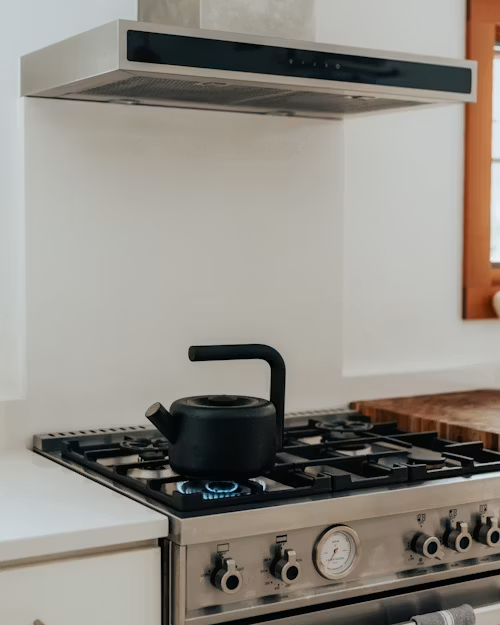
Why A 30 Inch Gas Range Fits Most Home Kitchens?
A 30 inch width is the most common size for full-size residential ranges, which makes it easier to replace an older unit without major cabinet changes. Most standard kitchens are already designed around this opening, so buyers usually have more model choices, easier installation options, and better price flexibility.
The main advantage is balance. A 30 inch gas range is compact enough for typical kitchens but large enough for everyday family meals, baking, boiling, sautéing, and roasting. It usually provides four to five burners, a usable oven cavity, and a familiar layout that works for both beginner and experienced cooks.
Most buyers comparing standard freestanding appliances start with how to choose a 30 inch gas range because cabinet fit, oven space, burner power, and installation needs all affect the final decision.
A good fit is not only about width. Buyers should also measure depth, height, rear clearance, gas connection placement, and the space needed for the oven door to open comfortably.
| Measurement Area | Why It Matters |
| Width | Confirms the range fits the cabinet opening |
| Depth | Prevents the range from sticking out awkwardly |
| Height | Helps align the range with countertops |
| Rear Clearance | Leaves space for gas lines and ventilation |
| Door Swing | Ensures safe oven access |
This fit-first approach makes the rest of the buying decision easier because it removes models that may look attractive but will not work practically in the kitchen.
How To Match Burner Power To Your Cooking Style?
Burner power is one of the most important parts of choosing a gas range. A stronger burner helps boil water faster, sear meat, heat cast iron, and cook with large pans. A lower-output burner is better for melting butter, simmering sauces, warming soup, or cooking delicate foods without scorching.
A well-balanced cooktop usually includes:
- One high-output burner for boiling and searing
- One or two medium burners for everyday cooking
- One low simmer burner for sauces and delicate heat
- Continuous grates for moving cookware safely
- Sealed burners for easier cleanup
High BTU numbers can be useful, but they should not be the only deciding factor. A range with one powerful burner and poor flame control may feel less practical than a model with moderate but stable heat across all burners.
Home cooks who prepare quick weeknight meals may need a simple burner layout. People who cook large meals, use stockpots, or prepare several dishes at once should look for stronger grate support, wider burner spacing, and responsive knobs.
Once the cooktop matches the cooking style, the next major decision is whether the oven can handle the household’s baking and roasting needs.
Oven Capacity, Rack Layout, And Baking Consistency
Oven capacity affects how comfortably a range handles sheet pans, roasting trays, casseroles, and multi-rack baking. A spacious oven is especially useful for holidays, meal prep, and families that cook several dishes at once.
Households that cook several dishes at once often prioritize the best 30 inch gas range for large families because oven capacity and rack flexibility matter more than decorative finishes.
Rack layout also matters. An oven may advertise generous capacity, but if rack positions are limited or the interior shape is awkward, it may not perform as expected. Buyers should think about the pans they use most often and whether the oven can handle them comfortably.
Convection can improve heat circulation by using a fan to move hot air around the oven cavity. This can help with browning, roasting, and more even baking. However, not every buyer needs convection. For simple meals, frozen foods, and basic baking, a standard gas oven may be enough.
| Oven Feature | Best For |
| Large Oven Capacity | Families, batch cooking, holiday meals |
| Multiple Rack Positions | Baking several trays or adjusting height |
| Convection Cooking | More even roasting and browning |
| Broiler Drawer Or In-Oven Broiler | Toasting, finishing, and melting |
| Oven Window And Light | Monitoring food without heat loss |
A strong oven turns a gas range from a simple cooktop appliance into a dependable everyday cooking center.
Features That Make A Gas Range Easier To Use
The best gas range features are the ones that improve daily cooking, cleaning, and control. Some premium options sound impressive but may not matter if the buyer rarely uses them. Practical features usually provide the most value.
Daily cooking feels much smoother when buyers understand key features of 30 inch gas range, especially sealed burners, continuous grates, convection settings, and easy-clean oven interiors.
Sealed burners are helpful because spills stay on the cooktop instead of falling beneath the burner assembly. Continuous grates make it easier to slide heavy pots between burners. A storage drawer can hold sheet pans, while a warming drawer may help households that cook multiple dishes.
Smart features can be useful, but they should be judged carefully. Remote preheating, app alerts, and Wi-Fi controls may help busy users, but they should not replace basic performance. A gas range still needs stable flames, reliable ignition, strong grates, and an oven that holds temperature well.
Useful features to compare include:
- Sealed burners
- Continuous cast-iron grates
- Convection oven mode
- Self-clean or steam-clean option
- Delay bake or timed cooking
- Edge-to-edge cooktop design
- Storage or warming drawer
- Clear control panel layout
After features, buyers should think carefully about installation and safety because even a high-performing range needs the right setup.
Safety And Installation Factors Buyers Often Miss
Gas ranges need proper installation to work safely. Buyers should confirm gas line compatibility, ventilation, clearance, and local installation requirements before purchasing. Professional installation is often the safer choice, especially when replacing an electric range with a gas model.
Long-term performance depends heavily on safety, maintenance, and best practices for 30 inch gas range, especially when ventilation, burner cleaning, and anti-tip installation are handled correctly.
An anti-tip bracket is important because it helps prevent the range from tipping forward when weight is placed on the open oven door. Proper ventilation also matters because gas cooking produces heat, moisture, odors, and combustion byproducts. A range hood or effective ventilation system can improve kitchen comfort and air quality.
Regular maintenance helps prevent many common issues. Burner caps should sit correctly, ports should stay clean, and spills should be wiped before they harden. If flames turn yellow or uneven, the burner may need cleaning or adjustment.
Key safety checks include:
- Confirm the gas connection type
- Use a qualified installer when needed
- Install the anti-tip bracket
- Keep burner ports clean
- Maintain proper ventilation
- Avoid blocking oven vents
- Check for unusual gas smells immediately
Once safety and installation are clear, buyers can compare whether gas is truly the right fuel type for their kitchen.
When A Gas Range Is Better Than Electric Or Induction?
A gas range is often preferred by cooks who like visible flame control. The flame responds quickly when the knob is adjusted, which makes it easier to control sautéing, simmering, boiling, and pan temperature. Gas also works with most cookware, including stainless steel, cast iron, carbon steel, and aluminum.
People comparing fuel types often look at 30 inch gas range vs alternatives because flame control, cookware compatibility, installation cost, and energy access can change the better choice.
Electric ranges can offer smooth cooktops and steady oven heat, but their burners usually respond more slowly. Induction ranges heat quickly and efficiently, but they require magnetic cookware and may cost more upfront. Gas remains attractive for buyers who already have a gas line and prefer traditional cooking control.
| Range Type | Main Strength | Main Limitation |
| Gas Range | Responsive flame and cookware flexibility | Needs gas connection and ventilation |
| Electric Range | Smooth cooktop options and simple setup | Slower burner response |
| Induction Range | Fast heating and energy efficiency | Requires compatible cookware |
| Dual Fuel Range | Gas cooktop with electric oven precision | Usually more expensive |
The right choice depends on the kitchen setup, cooking habits, budget, and comfort with each fuel type.
FAQs
Is A 30 Inch Gas Range Big Enough For A Family?
Yes. A 30 inch gas range is usually big enough for most families because it offers standard oven capacity, multiple burners, and enough cooking space for everyday meals and occasional large dinners.
How Many Burners Should A 30 Inch Gas Range Have?
Most 30 inch gas ranges have four or five burners. Five burners are useful for frequent cooking, but burner spacing and flame control matter more than the number alone.
Is Convection Worth It In A Gas Range?
Yes, for frequent baking and roasting. Convection can improve browning and heat circulation, but casual cooks may be satisfied with a standard gas oven if temperature control is reliable.
Do I Need Professional Installation For A Gas Range?
Usually, yes. Professional installation helps confirm gas line safety, correct connection, anti-tip bracket placement, and proper setup. It is especially important when changing fuel types.
What Is The Most Important Feature In A Gas Range?
Reliable cooking performance is most important. Strong burners, stable simmer control, even oven heating, sturdy grates, and easy cleaning usually matter more than decorative finishes or smart extras.
Final Verdict
Choosing a 30 inch gas range starts with fit, but the better decision comes from matching the appliance to real cooking habits. Burner balance, oven capacity, useful features, safe installation, and long-term maintenance all shape daily satisfaction.
A good model should feel practical, safe, and reliable rather than simply impressive on paper. Buyers who compare performance, usability, and kitchen setup carefully are more likely to choose a gas range that works well for years.