How to clean vinyl floors without damaging the finish means using gentle products, controlled moisture, and non-abrasive tools to remove dirt while protecting the wear layer. Vinyl is durable, but harsh chemicals, gritty debris, and over-wet mopping can slowly dull its surface.
This guide explains safe cleaning steps, common mistakes, streak prevention, and practical maintenance habits. It helps homeowners keep vinyl floors clean, fresh, and longer-lasting without accidentally causing haze, scratches, swelling, or sticky residue.
Why Do Vinyl Floors Need Gentle But Consistent Cleaning?
Vinyl floors are designed for everyday use, but their appearance depends heavily on the top wear layer. This protective surface helps resist stains, scuffs, and moisture, but it can lose clarity when exposed to abrasive dirt, strong cleaners, or repeated product buildup.
The most common problem is not always visible damage. Many floors slowly become dull because fine grit acts like sandpaper under shoes, chairs, and pet paws. Kitchens, hallways, mudrooms, and entry areas usually need more frequent care because they collect outdoor soil faster than bedrooms or low-use rooms.
Some households rely on soap, vinegar, or multipurpose sprays for every floor, but cleaner for vinyl floors vs alternatives matters because not every household cleaner protects vinyl finishes equally well.
A good cleaning routine should remove dirt before it becomes abrasive. That makes the next step—choosing the right method—just as important as choosing the cleaner itself.
The Best Way To Clean Vinyl Floors Step By Step
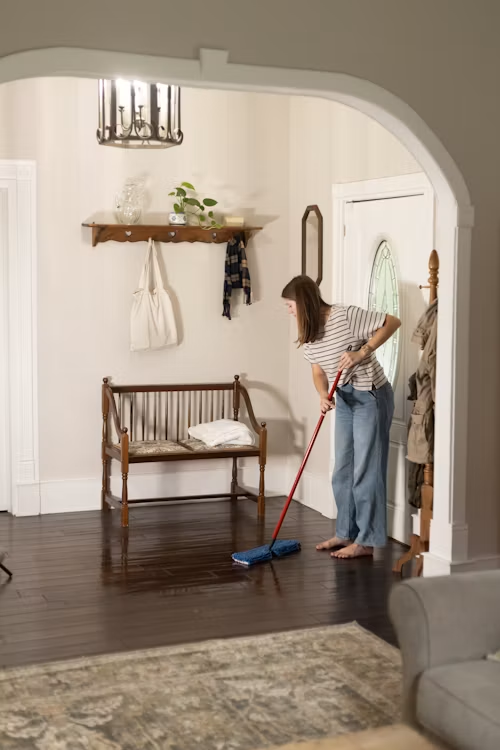
The safest way to clean vinyl floors is to start dry, then use a lightly damp mop with a vinyl-safe cleaner. Skipping the dry step often spreads grit across the surface and increases the chance of fine scratches.
Use this simple routine:
| Step | What To Do | Why It Matters |
| 1 | Sweep, vacuum, or dust mop | Removes grit before mopping |
| 2 | Use a damp microfiber mop | Cleans without flooding seams |
| 3 | Apply cleaner lightly | Prevents sticky buildup |
| 4 | Mop in small sections | Improves even coverage |
| 5 | Let the floor air-dry | Reduces footprints and streaks |
Entryways and kitchens usually need stronger routine care, which is why the best cleaner for vinyl floors for high-traffic areas matters when dirt is tracked daily.
Avoid soaking the floor. Vinyl itself handles moisture better than many materials, but seams, edges, and poorly sealed areas can still be vulnerable. A damp mop should clean the surface without leaving puddles behind.
Once the basic method is correct, the biggest risk becomes everyday cleaning mistakes that seem harmless at first.
Cleaning Mistakes That Can Damage Vinyl Floors
Many vinyl floor problems come from using too much product, too much water, or too much pressure. A floor may look cleaner immediately after mopping, then dry with haze, streaks, or a sticky feel.
Common mistakes include:
- Using abrasive scrub pads
- Mixing cleaning chemicals
- Applying wax or polish not made for vinyl
- Leaving puddles near seams
- Using steam mops on floors that do not allow steam cleaning
- Mopping before removing dry dirt
- Using too much concentrated cleaner
Long-term floor care depends on small habits, and safety, maintenance, and best practices for cleaner for vinyl floors become more important when children, pets, or frequent spills are involved.
Another issue is over-cleaning with strong formulas. More cleaner does not always mean better results. Concentrated products can leave a film if they are not diluted correctly, while harsh degreasers may make the surface look uneven over time.
When streaks, dullness, or sticky spots keep coming back, common problems of cleaner for vinyl floors & their solutions helps separate product issues from application mistakes.
After removing damaging habits, the next goal is keeping the floor clean without creating residue.
How To Keep Vinyl Floors Streak-Free And Fresh?
Streaks usually happen when cleaner dries unevenly, the mop is dirty, or too much product remains on the surface. Vinyl floors can show residue clearly because the finish reflects light, especially in kitchens, sunny rooms, and luxury vinyl plank installations.
To reduce streaking:
- Use a clean microfiber mop pad
- Avoid heavy soap-based mixtures
- Change rinse water when it looks cloudy
- Mop with the grain or plank direction
- Use less cleaner on lightly soiled floors
- Let the floor dry before walking on it
A cloudy film often comes from leftover surfactants, so the best residue-free cleaner for vinyl floors is especially useful for homes where shine and clarity matter.
If streaks appear after drying, lightly mop again with clean water and a well-wrung microfiber pad. This can remove leftover film without adding more product. For persistent haze, the issue may be cleaner buildup from repeated use rather than a single cleaning session.
A streak-free result also depends on matching cleaning frequency to real household use.
How Often Should Vinyl Floors Be Cleaned?
Vinyl floors do not need deep cleaning every day, but they do benefit from frequent dry cleaning. A quick sweep or dust mop removes the particles that cause dullness and surface wear.
A practical schedule looks like this:
| Area Type | Dry Cleaning | Damp Mopping |
| Entryways | Daily or every other day | 1–2 times weekly |
| Kitchens | Daily | Weekly or as needed |
| Living rooms | 2–3 times weekly | Weekly |
| Bedrooms | Weekly | Every 1–2 weeks |
| Pet areas | Daily | Weekly or after accidents |
Spills should be wiped quickly, especially colored drinks, greasy food, sauces, mud, and pet accidents. Vinyl is stain-resistant, but letting residue sit can make cleaning harder later.
With the right frequency, vinyl floors stay easier to maintain and require fewer aggressive cleaning sessions.
Best Tools For Cleaning Vinyl Floors Safely
The right tools help the cleaner work better without damaging the finish. Microfiber is usually the safest choice because it lifts dust and soil without scratching.
Useful tools include:
- Microfiber flat mop
- Soft-bristle broom
- Vacuum without a beater bar
- Spray mop with controlled mist
- Soft cloth for spot cleaning
- Mild vinyl-safe cleaner
- Clean towel for drying wet spots
Avoid stiff scrub brushes, steel wool, abrasive sponges, and vacuums with aggressive rotating brushes. These tools can leave marks or slowly wear down the surface.
For textured vinyl, a soft brush can help clean low spots, but it should be used gently. The goal is to loosen dirt, not grind it into the floor.
How To Handle Spills, Scuffs, And Sticky Spots?
Spills should be handled based on what caused them. Water and light drinks can usually be wiped with a damp cloth. Grease needs a small amount of cleaner. Sticky residue may need a few minutes of contact time before wiping.
For scuffs, use a soft cloth and gentle pressure first. If the mark does not lift, try a vinyl-safe spot-cleaning method rather than scrubbing aggressively. Always test in a less visible area before using any stronger approach.
Sticky floors often mean too much cleaner was used. Mop once with clean warm water, dry the area, and reduce the cleaner amount next time.
These small corrections often restore the floor’s feel without requiring harsh products.
The cleaning method matters just as much as the product itself. Following a consistent routine and avoiding excessive moisture, abrasive tools, and unnecessary cleaner buildup can help preserve the vinyl surface before addressing the most common maintenance questions.
FAQs About Cleaning Vinyl Floors Without Damaging The Finish
These frequently asked questions cover common concerns about cleaning products, dullness, steam mops, pet-related maintenance, and residue control when caring for vinyl floors.
Can you use vinegar to clean vinyl floors?
Yes, diluted vinegar can work for light cleaning, but it should not be overused. Too much acidity may dull some finishes over time, especially if the floor manufacturer recommends pH-neutral cleaners.
Why does my vinyl floor look dull after mopping?
Dullness usually comes from cleaner residue, dirty mop water, fine scratches, or product buildup. Rinsing with clean water and switching to a residue-free formula often improves clarity.
Is a steam mop safe for vinyl floors?
Not always. Some vinyl floors can be damaged by heat and moisture pressure. Check the floor manufacturer’s care instructions before using steam, especially on plank seams.
How do you clean vinyl floors with pets?
Use a gentle, low-residue cleaner and wipe accidents quickly. Pet areas often need more frequent dry cleaning because fur, dander, dirt, and paw marks build up faster.
Should vinyl floors be rinsed after cleaning?
Sometimes. No-rinse cleaners usually do not need rinsing when used correctly. If the floor feels sticky or looks streaky, a clean-water rinse can remove leftover residue.
These cleaning practices help reduce residue, dullness, and unnecessary surface wear while keeping routine vinyl floor maintenance simple and manageable.
Final Verdict
Cleaning vinyl floors safely is mostly about consistency, light moisture, gentle tools, and avoiding harsh shortcuts. A good routine removes grit before it scratches, controls residue before it turns cloudy, and protects the finish through everyday habits.
The best results come from using the right cleaner in the right amount, paired with a clean microfiber mop and a realistic maintenance schedule.