Common water heater problems are performance, safety, or reliability issues that affect hot water supply, energy use, and long-term system health. These problems matter because small warning signs such as slow recovery, leaks, rust, or unusual noise can lead to expensive repairs if ignored.
This guide explains the most common water heater problems, why they happen, and how homeowners can prevent them. It also covers installation mistakes, climate strain, compact spaces, and maintenance habits that help extend water heater life.
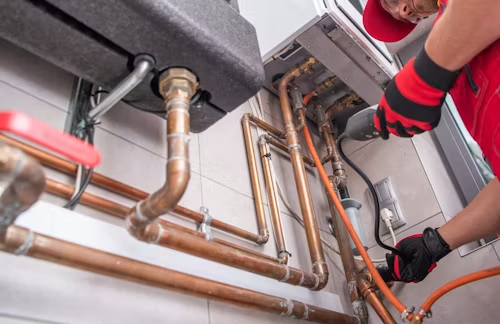
Why Water Heater Problems Usually Start Small?
Most water heater failures do not happen suddenly. They often begin with small changes in performance that homeowners overlook because the unit still produces some hot water.
A shower may turn lukewarm faster than usual. The tank may make popping sounds. The water may look slightly rusty. A small drip may appear near a valve or fitting. These signs can seem minor at first, but they often point to sediment buildup, corrosion, pressure issues, or aging components.
Early warning signs include:
- Hot water running out faster
- Water taking longer to heat
- Rumbling, popping, or cracking sounds
- Rust-colored water from hot taps
- Moisture around the tank base
- Higher energy bills without heavier usage
- Fluctuating water temperature
The key is to treat performance changes as useful information. A water heater rarely becomes unreliable overnight; it usually gives several clues before a serious failure.
The Most Common Water Heater Problems
The most familiar water heater complaint is no hot water. In electric models, this may come from a failed heating element, thermostat issue, tripped breaker, or wiring problem. In gas models, the cause may be a pilot light, thermocouple, gas supply issue, or burner problem.
Inconsistent temperature is also common. This may happen when the unit is undersized, the dip tube is damaged, sediment blocks heat transfer, or multiple fixtures demand hot water at the same time.
Noisy operation, rusty water, weak heating, and leaks all point toward common problems of water heater & their solutions that homeowners should recognize before damage spreads.
| Problem | Common Cause | Prevention Tip |
| No hot water | Failed element, pilot issue, thermostat fault | Check settings and service parts early |
| Lukewarm water | Undersized unit or sediment buildup | Match capacity to demand and flush tank |
| Popping noise | Hardened sediment inside tank | Flush regularly in hard water areas |
| Rusty water | Tank corrosion or failing anode rod | Inspect anode rod and replace when needed |
| Leaking tank | Corrosion, loose fittings, pressure issue | Inspect connections and relief valve |
A small repair can sometimes restore performance, but a leaking or heavily corroded tank often signals that replacement may be safer than repair.
How Home Size And Climate Affect Water Heater Strain?
Water heater performance depends heavily on where and how the unit is used. A system that works well in a mild climate or small household may struggle in a colder region or a home with heavier demand.
Smaller houses often have tighter utility spaces, so the best water heater for small homes usually balances compact installation with enough recovery for daily routines. A unit that fits physically but cannot meet peak demand may create daily frustration.
Apartments, cabins, and laundry-room installations often need the best compact water heater because clearance, ventilation, drainage, and service access can be just as important as capacity.
Cold climates create another challenge. Incoming water starts colder, so the heater must work harder to raise it to the desired temperature. In colder regions, incoming water temperature can reduce performance, which is why the best water heater for cold climates needs strong recovery and dependable output.
Homeowners should consider:
- Number of bathrooms
- Peak shower and laundry times
- Available utility space
- Ventilation and clearance
- Local groundwater temperature
- Hard water levels
- Distance from heater to fixtures
Climate and layout do not always get enough attention during purchase, but both strongly affect everyday satisfaction.
Installation Mistakes That Cause Long-Term Issues
A reliable water heater can still perform poorly if it is installed incorrectly. Installation affects heating speed, safety, efficiency, drainage, ventilation, and service access.
Poor placement is a common issue. If the unit is hard to reach, routine maintenance becomes less likely. If the drain pan or discharge line is poorly planned, a small leak can become water damage. If venting is incorrect on gas models, safety risks increase.
Many early failures come from poor placement, incorrect venting, or weak drainage planning, so setup, installation, and everyday usage directly affect long-term reliability.
Common installation mistakes include:
- Incorrect venting for gas water heaters
- Poorly supported plumbing connections
- Missing or badly placed drain pan
- No easy access for flushing or repairs
- Wrong electrical supply for electric units
- Oversized or undersized replacement choice
- Poor temperature and pressure relief valve discharge setup
Even everyday usage habits matter. Setting the temperature too high can increase scalding risk and energy use. Ignoring small leaks can allow hidden damage. Running heavy hot water loads too close together can expose sizing weaknesses.
Good installation is not just about making the unit work on day one. It is about helping the system work safely and efficiently for years.
Preventive Habits That Extend Water Heater Life
Preventing water heater problems usually comes down to regular inspection, basic maintenance, and responding early when something changes.
Tank water heaters benefit from flushing because sediment settles at the bottom. When sediment hardens, it reduces efficiency, traps heat, creates noise, and can shorten tank life. Homes with hard water may need more frequent attention.
The anode rod is another important part. It helps protect the tank from corrosion by attracting corrosive elements before they attack the tank lining. If the rod is depleted, corrosion can progress faster.
Practical prevention habits include:
- Flush the tank according to water quality and manufacturer guidance
- Check for moisture around valves, fittings, and the tank base
- Listen for new popping or rumbling sounds
- Keep the temperature at a safe, practical setting
- Inspect visible rust or corrosion
- Test the pressure relief valve carefully
- Schedule service when hot water output changes
| Maintenance Habit | Problem It Helps Prevent |
| Flushing sediment | Noise, slow heating, poor efficiency |
| Checking anode rod | Internal corrosion |
| Inspecting connections | Hidden leaks |
| Monitoring temperature | Scalding risk and energy waste |
| Servicing early | Larger repair costs |
Preventive care does not make a water heater last forever, but it can reduce avoidable failures and help homeowners replace the unit before an emergency leak happens.
When Repair Is Enough And When Replacement Makes More Sense?
Not every water heater problem means the unit needs replacement. A faulty thermostat, heating element, pilot assembly, valve, or connection may be repairable. If the unit is newer and the tank is sound, repair can be reasonable.
Replacement becomes more practical when the tank itself is leaking, corrosion is widespread, repair costs are high, or the unit is near the end of its expected lifespan. Repeated service calls are also a sign that the system may no longer be worth keeping.
A homeowner should compare repair cost, age, warranty status, energy efficiency, safety concerns, and household demand. Sometimes a new water heater solves more than one problem by improving performance, reducing energy waste, and lowering emergency repair risk.
The decision between repair and replacement becomes easier when homeowners consider the unit’s age, tank condition, repair history, and overall performance. Recognizing the warning signs early can prevent a manageable water heater problem from developing into an unexpected loss of hot water or a damaging leak.
FAQs About Common Water Heater Problems
These frequently asked questions address common concerns about water heater noise, leaks, sediment buildup, limited hot water, and deciding whether an aging system should be repaired or replaced.
Why is my water heater making popping noises?
Popping noises usually come from sediment buildup at the bottom of the tank. Water trapped under hardened minerals creates noise as it heats. Flushing the tank can help if the problem is not advanced.
Is a leaking water heater dangerous?
Yes, it can be. A small leak may cause water damage, while tank corrosion or pressure problems can become serious. Any leak around the tank or valve should be inspected quickly.
Why does my hot water run out so fast?
Hot water may run out quickly because the tank is undersized, sediment has reduced capacity, a heating element has failed, or household demand is too high during peak use.
Can sediment damage a water heater?
Yes. Sediment can reduce heating efficiency, create noise, trap heat, and place stress on the tank. Regular flushing helps limit buildup, especially in areas with hard water.
Should I repair or replace an old water heater?
Replace it if the tank leaks, corrosion is visible, repairs are frequent, or the unit is near the end of its lifespan. Repair may work for newer units with isolated part failures.
Understanding these common problems helps homeowners respond to warning signs before performance declines further. Regular maintenance and timely repairs can reduce avoidable failures, while serious tank leaks, widespread corrosion, or repeated breakdowns may indicate that replacement is the more practical long-term solution.
Final Verdict
Common water heater problems are easier to manage when homeowners notice early warning signs and maintain the system before failure becomes urgent. Leaks, noise, rust, slow recovery, and temperature changes should never be ignored.
The best prevention strategy is simple: choose the right unit for the home, install it properly, maintain it consistently, and address small issues before they become expensive emergencies.