
Plastic and stainless steel school bottles are the two most common reusable hydration options for students. Each offers unique advantages in durability, weight, temperature retention, safety, and cost, making the right choice dependent on a student’s age, daily routine, and school environment.
This article compares both materials in practical school settings, helping parents and students understand their strengths, weaknesses, and long-term value before making a purchase.
Understanding The Two Most Popular Bottle Materials
Plastic and stainless steel bottles differ in weight, construction, insulation, durability, and everyday handling. Understanding these basic material characteristics provides a useful starting point for comparing how each option performs during school use and which type may better suit different age groups, routines, and carrying preferences.
Before comparing performance, it’s important to understand what makes these materials different.
Plastic School Bottles Explained
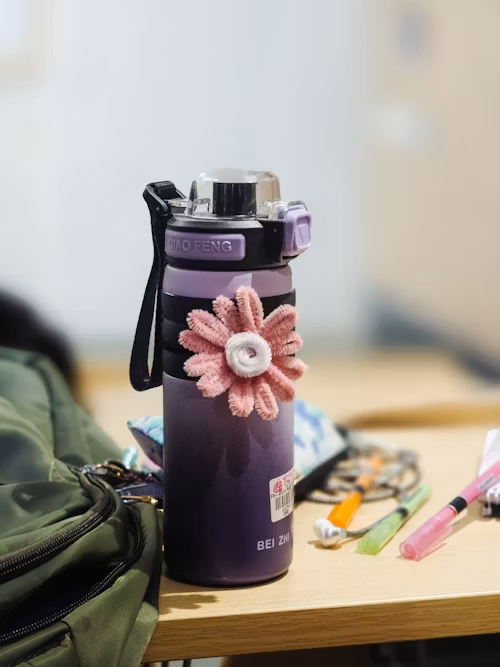
Modern plastic bottles are typically made from BPA-free materials designed to be lightweight and affordable. They are commonly used by younger students because they add minimal weight to backpacks.
Advantages include:
- Lightweight construction
- Lower purchase cost
- Wide variety of colors and designs
- Easier handling for younger children
Potential drawbacks include:
- Reduced temperature retention
- Greater susceptibility to scratches
- Faster wear over time
Many parents find material selection becomes easier once they understand the broader types of water bottle for school available and how each material serves different student needs.
Stainless Steel School Bottles Explained
Stainless steel bottles are known for durability and long-term performance. Many include double-wall insulation that helps maintain beverage temperatures throughout the day.
Key advantages include:
- Excellent durability
- Better temperature retention
- Odor resistance
- Long lifespan
Potential disadvantages include:
- Higher cost
- Greater weight
- Possible dents if dropped
Material differences become even clearer when viewed through everyday school use.
Comparing Everyday School Performance
Daily school use places repeated demands on a water bottle through carrying, dropping, refilling, opening, closing, and storage inside backpacks. Comparing how plastic and stainless steel bottles respond to these conditions helps show which material offers the better balance of durability, comfort, and practical performance for different students.
Students carry bottles daily, so performance matters more than marketing claims.
Durability During Daily Use
School bottles face constant handling, drops, crowded backpacks, and transportation.
| Performance Factor | Plastic Bottles | Stainless Steel Bottles |
| Drop Resistance | Good | Excellent |
| Scratch Resistance | Moderate | High |
| Dent Resistance | High | Moderate |
| Lifespan | Moderate | Long |
| Odor Resistance | Moderate | Excellent |
For families prioritizing backpack protection, characteristics associated with the best leak-proof water bottle for school often matter as much as the bottle material itself.
Weight And Carrying Comfort
Weight is a significant consideration, particularly for younger students.
Plastic bottles generally weigh much less than stainless steel alternatives. This makes them easier for elementary students to carry throughout the day.
Stainless steel bottles, while heavier, often compensate by offering superior durability and insulation.
Weight considerations naturally lead to safety and health discussions.
Safety And Health Considerations
Material safety involves more than choosing between plastic and metal. Parents may also consider temperature retention, odor resistance, wear over time, cleaning habits, and how the bottle material interacts with everyday school use.
Evaluating these factors together provides a clearer picture of how each option supports regular hydration and long-term usability.
Parents frequently evaluate materials based on both safety and overall usability.
Temperature Retention Differences
One of the biggest advantages of stainless steel is insulation performance.
A typical insulated stainless steel bottle can:
- Keep water cold for several hours
- Reduce condensation
- Improve drinking experience during warm weather
Plastic bottles generally do not provide the same temperature control.
Material Safety Factors Parents Should Know
Modern BPA-free plastic bottles are considered safe when purchased from reputable manufacturers. However, scratches and wear may eventually affect appearance and longevity.
Stainless steel offers excellent resistance to staining, odor retention, and flavor transfer.
Material safety discussions often overlap with comparisons similar to water bottle for school vs alternatives, especially when evaluating disposable bottles, reusable cups, and insulated containers.
Safety matters, but cost often drives final purchasing decisions.
Cost Versus Long-Term Value
The true value of a school water bottle depends on more than its initial price. Replacement frequency, durability, insulation performance, daily convenience, and years of usable service can all affect overall ownership cost.
Comparing these factors helps families determine whether a lower-cost plastic bottle or a more durable stainless steel model provides better value over time.
The cheapest option is not always the most economical over time.
Initial Purchase Cost
Plastic bottles generally cost less upfront.
| Bottle Type | Typical Cost Range |
| Plastic | Low |
| Stainless Steel | Moderate To High |
Families shopping for multiple children often appreciate the affordability of plastic options.
Replacement Frequency Over Time
Although stainless steel bottles usually cost more initially, they often last significantly longer.
Durability advantages become easier to appreciate when considering the quality & performance of a water bottle for school across years of regular use rather than focusing solely on purchase price.
Long-term ownership costs frequently favor durable products that require fewer replacements.
This makes student age and usage patterns important factors in the final decision.
Which Material Fits Different Students Best?
Student age, school schedule, backpack weight, refill access, and personal preferences can all influence which bottle material feels most practical. Younger children may benefit from lighter construction and easier handling, while older students may place greater value on insulation and durability.
Matching material characteristics to daily routines helps narrow down the better option for each user.
Different students benefit from different bottle characteristics.
Younger Students
Plastic bottles are often a practical choice for younger children because they are:
- Lightweight
- Easy to carry
- Budget-friendly
- Available in child-friendly designs
For many elementary students, convenience outweighs advanced insulation features.
Older Students And College Users
High school and college students often prefer stainless steel bottles because they offer:
- Greater durability
- Better insulation
- More professional appearance
- Longer lifespan
Families focused on reducing replacement costs frequently pay close attention to longevity & long-term value of water bottles for school before selecting a material.
Ultimately, the best material depends on balancing weight, durability, insulation, and budget.
Comparing material strengths is useful, but common questions about safety, lifespan, insulation, and age suitability can make the final choice easier.
FAQs About Plastic vs Stainless Steel School Bottles
Plastic and stainless steel bottles each offer clear advantages depending on student age, carrying comfort, durability expectations, and temperature needs. These frequently asked questions address some of the most common concerns parents and students consider before choosing between the two materials.
Are stainless steel water bottles better for school?
Not always. Stainless steel offers superior durability and insulation, but plastic bottles are lighter and often easier for younger students to carry.
Do plastic water bottles last as long as stainless steel bottles?
Generally no. Stainless steel bottles typically have longer lifespans under regular school use.
Are BPA-free plastic bottles safe?
Yes. Reputable BPA-free bottles are widely considered safe for everyday use when properly maintained.
Which bottle material is better for cold water?
Stainless steel, especially insulated models, usually keeps water cold significantly longer.
What is the best choice for elementary students?
Many elementary students benefit from lightweight plastic bottles because they are easier to carry and manage throughout the school day.
These comparisons help clarify how material choice affects everyday convenience, durability, and long-term use before reaching the final decision.
Final Verdict
Plastic and stainless steel school bottles each serve different needs. Plastic bottles excel in affordability and lightweight portability, while stainless steel models offer superior durability, insulation, and long-term value. The best choice depends on the student’s age, daily routine, carrying comfort, and expected years of use.