A hori hori knife for gardening tasks is a multi-purpose garden blade used for digging, weeding, cutting roots, measuring planting depth, and loosening soil. Its narrow blade, pointed tip, and serrated edge make it useful when ordinary hand tools feel too limited.
This guide explains how to use a hori hori knife safely and effectively in daily gardening. You will learn practical techniques for planting, weeding, soil work, root cutting, cleaning, storage, and common mistakes to avoid.
What Makes A Hori Hori Knife Useful In The Garden?
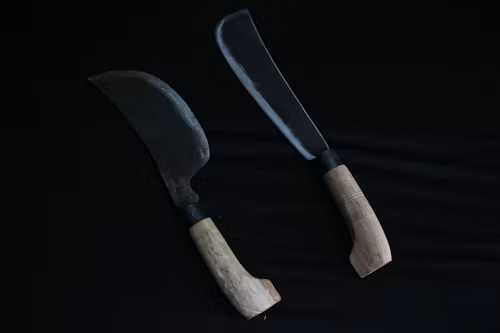
A hori hori knife is different from a standard garden knife because it is designed to work below the soil surface. The blade is usually slightly concave, which helps it scoop soil, pry weeds, and move through compact garden beds with better control.
Many gardeners use it for several jobs in one session:
- Digging narrow planting holes
- Removing weeds with long taproots
- Cutting through roots or tangled stems
- Dividing perennials
- Measuring bulb or seedling depth
- Scraping soil from pots or raised beds
- Loosening compact soil around plants
Gardeners often notice the difference during mixed jobs because hori hori knife vs traditional garden trowel comparisons usually come down to cutting power, depth control, and tool versatility.
The real value is not that it replaces every garden tool. It is that it reduces how often a gardener needs to switch tools during small, detailed, hands-on jobs.
How To Use A Hori Hori Knife For Common Gardening Jobs?
The best way to use a hori hori knife is to match the blade angle to the task. For digging, the pointed tip should enter the soil first. For weeding, the blade should slide beside the root rather than chopping blindly. For cutting, the serrated edge should do the work instead of wrist force.
Here is a simple task guide:
| Gardening Task | How To Use The Knife | Best Technique |
| Planting seedlings | Push the blade into soil and rock gently | Use depth markings for consistency |
| Removing weeds | Insert beside the root and lift upward | Loosen soil before pulling |
| Cutting roots | Use the serrated edge with short strokes | Avoid twisting too hard |
| Dividing plants | Slice through root clumps carefully | Keep the blade angled away |
| Digging in tight spaces | Use the narrow tip instead of a wide scoop | Work slowly near plant roots |
People learning how to choose hori hori knife options should think about the jobs they do most often, because weeding, transplanting, and root cutting all place different demands on the blade.
For routine gardening, controlled pressure matters more than strength. A hori hori knife is sharp and sturdy, but it works best when the gardener lets the blade shape guide the movement.
Hori Hori Knife Techniques For Better Control
Good control starts with grip. Hold the handle firmly, but do not squeeze so tightly that your wrist becomes stiff. Your thumb should rest naturally along the handle, not on the blade. This gives better leverage without pushing your hand toward the edge.
When digging, place the blade into the soil at a slight angle. Push downward, then rock the handle gently to loosen the soil. Avoid using the knife like a crowbar in extremely compact ground because that can strain the blade, handle, or your wrist.
When using the serrated edge, make small sawing movements. This is safer and cleaner than forcing the blade through roots in one hard motion. If a root does not cut easily, clear the soil around it first so the edge can make direct contact.
A lighter handle and clear depth markings can make best hori hori knife for beginners a smarter choice for gardeners still building confidence with blade angle and pressure.
The knife should feel like a precision tool, not a brute-force tool. Smooth, repeated movements usually work better than one aggressive push.
Mistakes Beginners Make With A Hori Hori Knife
The most common beginner mistake is using too much force. A hori hori knife is strong, but it is still a hand tool. If the soil is dry, rocky, or clay-heavy, forcing the blade straight down can cause slips or poor control.
Another mistake is cutting too close to desirable plants. The blade can move quickly through soil, so it is important to know where the main roots are before slicing or lifting. When working near delicate plants, use the tip slowly and remove soil in small amounts.
Avoid these common mistakes:
- Twisting the blade hard in compact soil
- Pulling weeds before loosening the root zone
- Using the serrated edge toward your hand
- Leaving wet soil on the blade after use
- Storing the knife without its sheath
- Using it for jobs better suited to pruners or a shovel
Most accidents happen when gardeners rush through compact soil, so safety, maintenance, and best practices for hori hori knife should focus on controlled pressure instead of force.
A hori hori knife rewards patience. When the blade is used carefully, it can make gardening faster without making the work careless.
Cleaning, Storage, And Care After Each Use
A hori hori knife should be cleaned after every garden session, especially after working in wet soil, compost, clay, or sticky plant sap. Dirt left on the blade can hold moisture, and moisture can lead to rust, staining, or dull cutting performance over time.
A simple cleaning routine works well:
- Wipe off loose soil with a dry cloth.
- Rinse the blade if mud or sap is stuck.
- Dry the knife completely before storage.
- Remove stubborn residue with a soft brush.
- Store it in a sheath away from moisture.
Gardeners working in damp beds often prefer best stainless steel blade hori hori knife options because the blade is easier to clean after contact with wet soil and plant sap.
The handle also needs attention. Wooden handles should not stay wet for long periods, while rubber or composite handles should be checked for cracks, looseness, or trapped dirt near the blade.
A well-maintained hori hori knife will stay safer, sharper, and more reliable through repeated planting, weeding, and soil work.
When A Hori Hori Knife Works Best?
A hori hori knife works best for hands-on gardening where precision matters. It is especially useful in raised beds, vegetable gardens, herb beds, flower borders, container gardens, and tight spaces where a large shovel would disturb nearby plants.
It is less ideal for heavy excavation, large shrub removal, thick woody roots, or deep digging in rocky ground. In those cases, a shovel, mattock, pruners, or root saw may be safer and more efficient.
The best uses include:
- Planting bulbs at consistent depth
- Removing dandelions and deep weeds
- Transplanting seedlings
- Cutting small roots
- Dividing compact perennials
- Working around established plants
- Loosening soil in raised beds
The tool is most valuable when a gardener needs both digging ability and cutting control in the same small space.
FAQs About Using A Hori Hori Knife For Gardening
These frequently asked questions cover common concerns about using a hori hori knife safely, replacing a garden trowel, cutting roots, sharpening the blade, and choosing stainless steel for everyday garden work.
Can a hori hori knife replace a garden trowel?
Yes, for many small tasks. A hori hori knife can dig, scoop, and measure planting depth, but a wide trowel may still be better for moving larger amounts of loose soil.
Is a hori hori knife safe for beginners?
Yes, if used carefully. Beginners should use slow pressure, keep fingers away from the blade edge, and store the knife in a sheath immediately after gardening.
Can a hori hori knife cut thick roots?
Sometimes. It can cut small to medium roots, especially with a serrated edge, but thick woody roots are better handled with pruners, a saw, or a stronger digging tool.
Should a hori hori knife be sharpened?
Yes, when the edge becomes dull. A sharp blade works with less force, which improves control and reduces slipping during weeding, root cutting, and planting tasks.
Is stainless steel better for a hori hori knife?
Yes, for wet conditions and easier maintenance. Stainless steel resists rust better, although carbon steel may appeal to gardeners who prefer a sharper traditional edge.
These answers clarify the most important usage, safety, maintenance, and tool-selection considerations for gardeners who want reliable performance from a hori hori knife during routine planting, weeding, digging, and root-cutting tasks.
Final Verdict
A hori hori knife is one of the most practical tools for gardeners who regularly dig, weed, plant, divide, and cut in tight spaces. It works best when used with controlled pressure, careful blade angles, and regular cleaning.
For everyday gardening, its biggest strength is versatility. A good hori hori knife can make routine garden tasks faster, cleaner, and more precise without forcing the gardener to switch tools constantly.