
Waterproof laminate flooring for basements is a moisture-resistant flooring option designed for finished lower-level spaces where humidity, concrete subfloors, and occasional spills are common concerns. It matters because basements need flooring that feels comfortable, looks finished, and performs better than standard laminate in damp conditions.
This article explains when waterproof laminate works in basements, what conditions to check before installation, which features matter most, and how it compares with vinyl plank. It also covers installation, daily use, and long-term value.
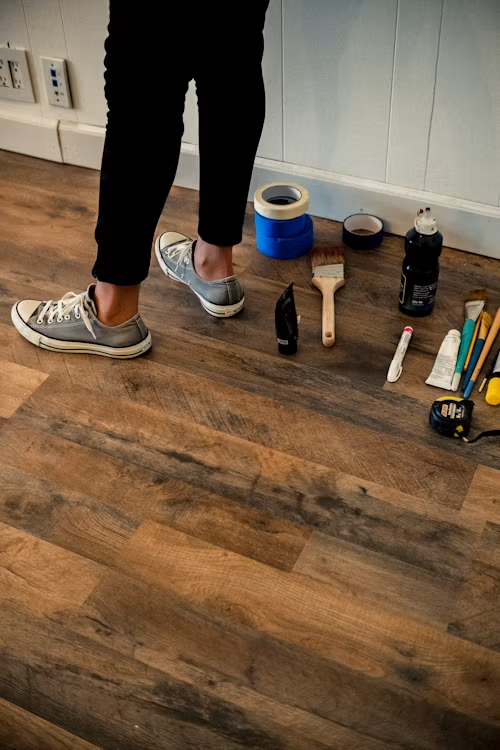
Is Waterproof Laminate Flooring Suitable For Basements?
Waterproof laminate can be suitable for basements, but only when the space is dry, stable, and properly prepared. A finished basement is different from an upstairs bedroom because concrete can release moisture, humidity can fluctuate, and minor water intrusion may happen after heavy rain or plumbing issues.
Finished lower levels need flooring that can handle humidity shifts and occasional moisture, which is why best waterproof laminate flooring for basements should be judged differently from flooring used upstairs.
The word “waterproof” mostly refers to surface protection. It usually means the plank surface, locking system, or core is designed to resist spills better than traditional laminate. It does not always mean the floor can survive flooding, hidden subfloor moisture, or standing water for long periods.
Waterproof laminate is usually a good basement option when:
- The basement is fully finished and climate-controlled.
- The concrete slab is dry and level.
- There are no active leaks or drainage problems.
- A proper vapor barrier or approved underlayment is used.
- The flooring manufacturer allows below-grade installation.
It may not be the right option for basements with recurring water seepage, sump pump failures, musty odors, mold history, or visible dampness. In those cases, moisture correction should come before flooring selection.
A basement floor performs best when moisture control is solved first and flooring style comes second.
Basement Conditions To Check Before Installation
Before installing waterproof laminate, the basement should be checked carefully. Many flooring failures happen because the visible surface looked dry while moisture was still present underneath.
Concrete is porous, so it can release moisture vapor even when it feels dry to the touch. That moisture can affect planks, underlayment, seams, and indoor air quality over time. A moisture test is one of the most important steps before installation.
Important basement checks include:
| Condition | Why It Matters |
| Concrete moisture | Excess vapor can affect the flooring from below |
| Subfloor level | Uneven concrete can cause gaps, flexing, or plank separation |
| Humidity level | High humidity may increase expansion and contraction |
| Drainage condition | Poor drainage raises the risk of water intrusion |
| Cracks or leaks | Water entry points should be repaired before flooring |
| Temperature stability | Climate control helps reduce movement |
| Manufacturer approval | Not all laminate is rated for basement use |
A vapor barrier may be required over concrete. Some underlayments include built-in vapor protection, while others need a separate moisture barrier. The exact requirement depends on the flooring product and installation instructions.
Expansion gaps are also essential. Laminate expands and contracts with temperature and humidity changes. If the floor is installed too tightly against walls, columns, stairs, or built-ins, it may buckle or lift.
Good preparation protects the floor before daily use ever begins.
Best Waterproof Laminate Features For Basement Renovations
Basement renovations require more than a good-looking surface. The flooring needs to manage moisture risk, sound, comfort, and long-term stability. A product that works well in a dry living room may not always be the best fit below grade.
A basement remodel often involves concrete, sound control, and moisture planning, so best waterproof laminate flooring for basement renovations should balance water resistance with installation stability.
The most useful features include a water-resistant core, sealed edges, strong locking joints, and a durable wear layer. Thickness can also matter, especially when the basement has minor subfloor imperfections or needs better underfoot comfort.
Core design, locking systems, surface texture, and edge protection all vary by product, so types of waterproof laminate flooring can affect how well a floor performs below grade.
Look for these features:
- Waterproof or water-resistant core construction
- Tight click-lock installation system
- Sealed or wax-coated edges
- Durable AC-rated wear layer
- Basement-approved underlayment compatibility
- Matte or textured finish for better grip
- Good plank thickness for stability
- Manufacturer approval for concrete or below-grade use
For basement family rooms, texture and sound control are especially useful. A slightly embossed surface can make the floor feel more natural and less slippery. A quality underlayment can reduce hollow sounds, improve comfort, and make the space feel less like a basement.
Style should still matter. Wide planks, warm oak tones, natural grain patterns, and low-gloss finishes can make a basement feel brighter and more connected to the rest of the home.
A strong basement floor should solve practical problems while still improving the room’s appearance.
Installation Tips For Basement Laminate Flooring
Waterproof laminate is often installed as a floating floor, meaning the planks lock together without being glued directly to the concrete. This can make installation faster, but it also makes preparation more important.
Basement installations usually require careful acclimation, clean subfloor preparation, and proper expansion space, making setup, installation, & everyday use of waterproof laminate flooring a major part of long-term success.
The flooring should usually acclimate inside the basement before installation. This helps the planks adjust to the room’s temperature and humidity. Skipping acclimation can increase the risk of movement after installation.
Basic installation priorities include:
- Remove old flooring and debris.
- Test the concrete for moisture.
- Repair cracks or uneven spots.
- Install the correct vapor barrier or underlayment.
- Leave required expansion gaps.
- Stagger plank seams properly.
- Avoid pinching the floor under heavy built-ins.
- Follow manufacturer instructions for transitions and trim.
Everyday use matters after installation. Rugs, furniture pads, and quick spill cleanup all help preserve the floor. Dehumidifiers may also be useful in basements with seasonal humidity.
Do not assume waterproof laminate can compensate for poor installation. Even a high-quality product can fail if moisture is trapped underneath or if planks are forced too tightly into the room.
The cleaner and drier the foundation, the better the finished floor will perform.
Waterproof Laminate Vs Vinyl Plank For Basements
Waterproof laminate and vinyl plank are both popular basement flooring choices, but they perform differently. Vinyl plank usually has stronger water tolerance, while laminate often offers a more realistic wood look and a firmer feel.
| Feature | Waterproof Laminate | Vinyl Plank |
| Moisture resistance | Good for surface spills | Excellent for wet-prone spaces |
| Appearance | Often more realistic wood texture | Varies widely by quality |
| Comfort | Firm and stable underfoot | Softer and slightly warmer |
| Scratch resistance | Often strong with good wear layer | Depends on wear layer quality |
| Basement suitability | Good when basement is dry and prepared | Better for higher moisture risk |
| Cost | Often affordable to mid-range | Wide range from budget to premium |
| Sound | May need quality underlayment | Usually quieter with attached pad |
For dry, finished basements, waterproof laminate can be a stylish and practical choice. It works especially well when homeowners want a wood-like appearance without paying for real hardwood, which is rarely ideal below grade.
For basements with higher moisture risk, vinyl plank may be safer. It is usually more forgiving around dampness, laundry areas, and occasional water exposure. However, lower-quality vinyl can look artificial or wear faster in busy spaces.
Moisture control, wear resistance, and installation quality all influence replacement timing, so longevity & long-term value of waterproof laminate flooring should matter as much as the upfront price.
The best choice depends on the basement’s actual conditions. A dry family room, office, or guest space may suit waterproof laminate well. A laundry room, utility zone, or damp lower level may be better suited to vinyl.
A good basement flooring decision starts with the room’s moisture behavior, not just the product label.
Cost And Long-Term Value In Basement Spaces
Waterproof laminate can offer strong value because it gives a finished wood-look appearance at a lower cost than many hardwood or engineered wood options. For homeowners finishing a basement on a controlled budget, that combination can be appealing.
Costs vary based on plank thickness, water protection, wear layer quality, attached underlayment, texture realism, and brand reputation. Installation costs can also change depending on concrete repairs, moisture barriers, trim, stairs, and transitions.
Budget planning should include:
- Flooring material
- Underlayment or vapor barrier
- Moisture testing
- Subfloor leveling
- Transition strips
- Baseboards or quarter round
- Waste allowance
- Tools or professional installation
- Dehumidifier if needed
Long-term value depends on whether the floor is matched to the basement. A cheaper floor may become expensive if it swells, separates, or needs replacement early. A slightly better product with proper installation often saves money over time.
The smartest basement flooring budget includes both the planks and the conditions needed to protect them.
FAQs About Waterproof Laminate Flooring For Basements
These frequently asked questions address common concerns about installing waterproof laminate over concrete, vapor barriers, basement humidity, carpet alternatives, and long-term flooring durability.
Can waterproof laminate flooring go over concrete?
Yes. Many waterproof laminate products can go over concrete if the slab is dry, level, and properly prepared. A vapor barrier or approved underlayment is usually required.
Does waterproof laminate need a vapor barrier?
Yes, in many basement installations. Concrete can release moisture vapor, so a vapor barrier helps protect the floor from below. Always follow the manufacturer’s installation instructions.
Is waterproof laminate better than carpet in a basement?
Often, yes. Waterproof laminate is easier to clean and less likely to trap odors, dust, and moisture than carpet. Carpet may feel softer but can be riskier in damp basements.
Can basement humidity damage laminate flooring?
Yes. High humidity can cause expansion, movement, or seam issues over time. Climate control, dehumidifiers, and proper expansion gaps help reduce this risk.
How long does waterproof laminate last in a basement?
Waterproof laminate can last many years in a dry, well-prepared basement. Its lifespan depends on moisture control, product quality, installation, traffic, and maintenance habits.
Understanding these basement-specific concerns helps homeowners decide whether waterproof laminate matches the conditions of their lower-level space. Proper moisture control, subfloor preparation, installation, and humidity management remain essential for protecting the floor over the long term.
Final Verdict
Waterproof laminate flooring for basements can be a smart choice when the lower level is dry, finished, and properly prepared. It offers the warmth of wood-look flooring with better surface moisture resistance than traditional laminate.
The best results come from testing moisture, using the right underlayment, choosing basement-approved planks, and maintaining stable humidity. When those details are handled well, waterproof laminate can make a basement feel more comfortable, finished, and valuable.